




What's Happening?
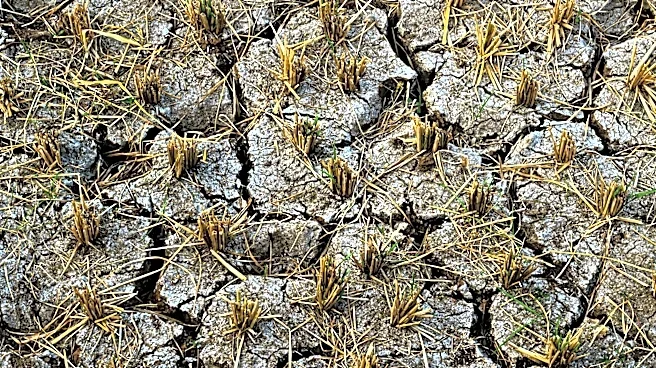
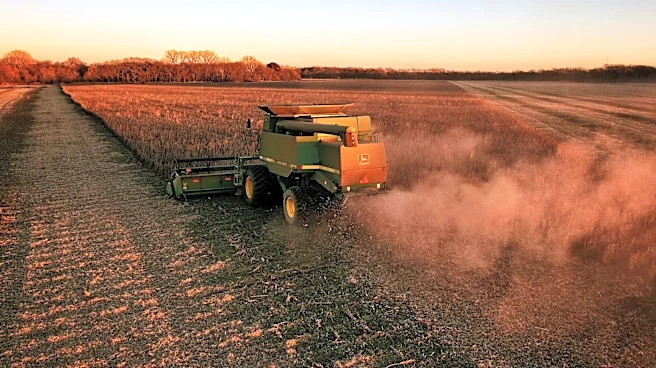
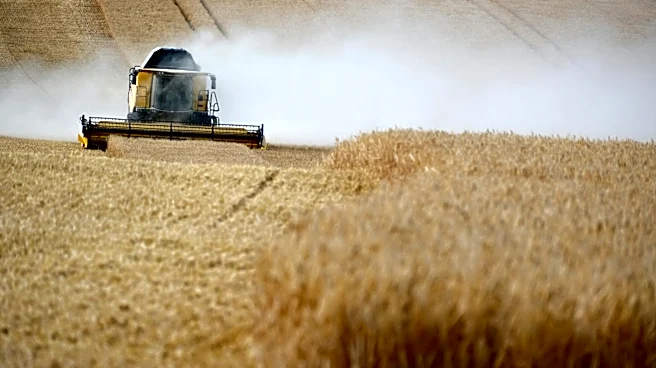
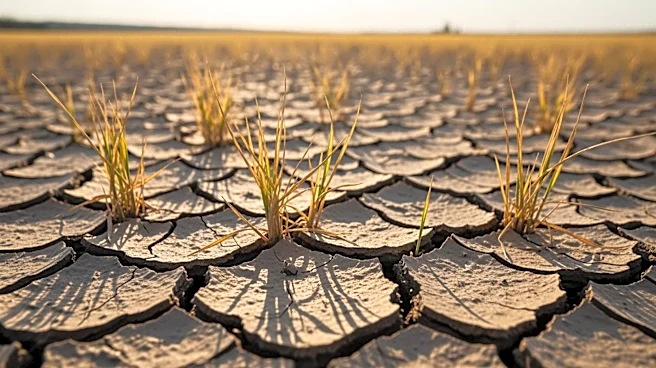
A severe and ongoing drought has significantly impacted the winter wheat crop in Nebraska, leading to substantial agricultural losses. Farmers in the region, such as Matt Klingman, are facing the abandonment of over half of their wheat acreage due to the lack
of precipitation. The drought has been so severe that even haying the poor crop is not feasible, and concerns about high nitrates further complicate the situation. Insurance adjusters, like Ben Rand from the Federal Crop Agency, report being inundated with claims from farmers experiencing deep losses. The drought has also affected irrigation systems, as the lack of snow in the winter has left reservoirs unable to recharge, leading to a failure in irrigation water supply. This has resulted in unprecedented Prevented Planting claims on irrigated acres, a situation not previously encountered by Rand in his career.
Why It's Important?
The drought in Nebraska highlights the vulnerability of agricultural sectors to extreme weather conditions, which can have far-reaching economic impacts. The devastation of the winter wheat crop not only affects local farmers but also has broader implications for the agricultural supply chain and food prices. The inability to harvest crops due to drought conditions can lead to increased insurance claims and financial strain on farmers, potentially affecting their long-term viability. Additionally, the failure of irrigation systems due to insufficient water supply underscores the challenges of water management in agriculture, particularly in regions dependent on snowmelt for irrigation. This situation may prompt discussions on the need for improved water conservation strategies and support for farmers facing climate-related challenges.
What's Next?
As the drought continues, farmers and agricultural stakeholders will need to assess the viability of future planting and harvesting strategies. The ongoing water supply issues may necessitate changes in irrigation practices and crop selection to adapt to the changing climate conditions. Policymakers and agricultural organizations may need to explore additional support measures for affected farmers, including financial assistance and resources for implementing sustainable farming practices. The situation also calls for increased investment in research and development of drought-resistant crop varieties and innovative water management solutions to mitigate the impact of similar events in the future.