


What's Happening?
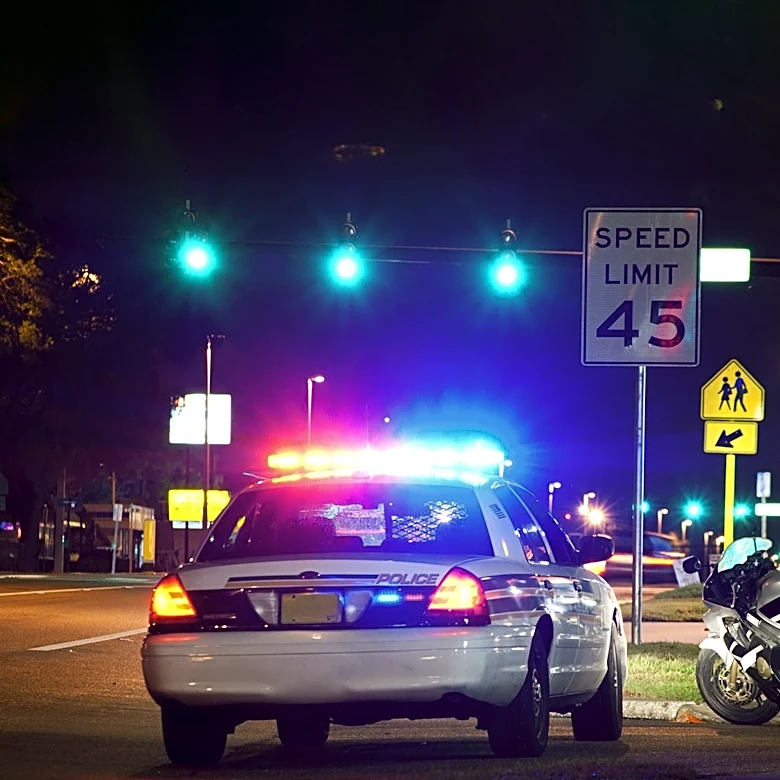
A man with an outstanding felony warrant was found dead in a West Omaha home after a nearly three-hour standoff with police. Officers initially spotted the man near 30th and Cuming streets around 7 p.m. and attempted to initiate a traffic stop. However,
the man drove erratically, leading police to deploy a helicopter, ABLE-1, to track his vehicle. The pursuit ended in the 145th and Shirley area, where the suspect abandoned his car and forcibly entered a nearby residence. A woman inside the home reported that the man pointed a gun at her before she safely exited the premises. Police believe the man was then alone inside the house. A SWAT team and crisis negotiators were dispatched to the scene, engaging in text message exchanges with the suspect for approximately three hours. The standoff concluded after officers heard several gunshots from within the house. A police drone was used to investigate, revealing the man deceased inside from what investigators determined to be a self-inflicted gunshot wound. No officers discharged their weapons, and no other individuals were injured during the incident.
Why It's Important?
This incident highlights the inherent dangers and complexities faced by law enforcement officers when apprehending individuals with outstanding warrants, particularly those who resist arrest and resort to barricading themselves. The deployment of specialized units like SWAT and crisis negotiators, along with advanced surveillance tools such as helicopters and drones, underscores the significant resources required to manage such situations while prioritizing public safety. The outcome, a self-inflicted death, raises questions about mental health support and de-escalation strategies in high-stress police encounters. Furthermore, the state law requiring a grand jury review when a death occurs in police custody ensures an independent examination of the events, promoting accountability and transparency in law enforcement operations. This case also brings attention to the broader issue of gun violence and the accessibility of firearms, which can escalate routine warrant service into life-threatening standoffs for both suspects and officers.
What's Next?
The investigation into the standoff and the suspect's death remains open. As mandated by state law, the case will be presented to a grand jury for review, a standard procedure when a death occurs while an individual is in police custody. This grand jury will assess the circumstances surrounding the incident to determine if any criminal charges are warranted against the officers involved or if the actions taken were within legal and procedural guidelines. The police department will likely conduct an internal review of the incident, examining the tactics used, the effectiveness of negotiations, and adherence to protocols for high-risk situations. Additionally, there may be community discussions or calls for further examination of mental health resources and crisis intervention training for law enforcement to potentially prevent similar outcomes in the future. The identity of the deceased man and the nature of his felony warrant may also be released as the investigation progresses.
Beyond the Headlines
The tragic conclusion of this standoff underscores the profound challenges law enforcement faces in balancing public safety with the need to apprehend individuals, particularly when those individuals are armed and desperate. The use of text message negotiations, while a modern tool, highlights the evolving strategies in crisis intervention, yet its limitations are evident when a suspect ultimately takes their own life. This incident also implicitly raises questions about the societal factors contributing to individuals having outstanding felony warrants and their willingness to engage in such dangerous confrontations. It prompts a deeper look into the support systems available for individuals struggling with issues that lead to criminal behavior and their potential for violent resistance. The requirement for a grand jury review, while a legal safeguard, also reflects a broader societal demand for accountability and scrutiny of police actions, especially in incidents resulting in fatalities. This event serves as a stark reminder of the complex interplay between law enforcement, mental health, and community safety.