


What's Happening?
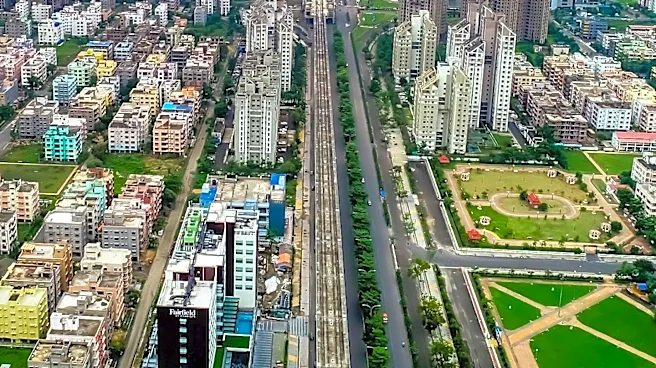
Prime Minister Abiy Ahmed has officially launched a 57-hectare urban corridor development project in Addis Ababa. This initiative encompasses seven routes and connecting roads, with the goal of transforming the Ethiopian capital into a more productive,
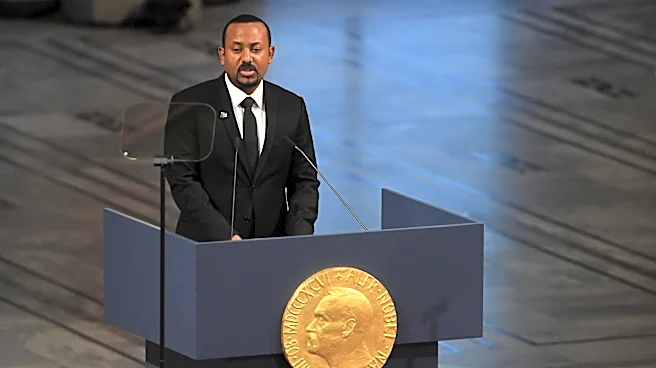
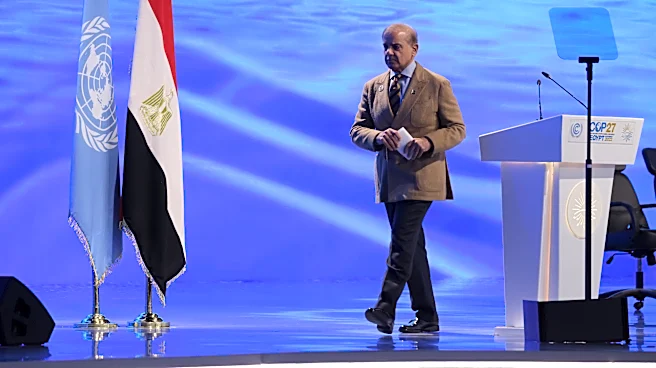
inclusive, and livable city. Key corridors included in the project are Bole Medhanialem–Golagul–British Embassy, Bole Medhanialem–Moenco, Bole School–Adey Abeba Model Village, and Imperial Hotel–Shalla Park, among others. This development is part of the Medemer Government's broader urbanization strategy. Concurrently, Prime Minister Abiy Ahmed addressed COP31, reiterating Ethiopia's stance that climate action is an integral part of its economic policy. He highlighted the direct impact of changing weather patterns on agricultural production, electricity generation, and overall national development, citing disruptions from droughts and floods. Ethiopia is also preparing to host COP32 in 2027, aiming to showcase its climate initiatives and advocate for enhanced international cooperation and accessible climate finance.
Why It's Important?
This urban development project signifies Ethiopia's commitment to modernizing its infrastructure and improving the quality of life for its citizens, which can attract investment and stimulate economic growth within the capital. The Prime Minister's emphasis on climate action as economic policy is crucial for a nation heavily reliant on agriculture and hydropower, making it highly vulnerable to climate change impacts. By integrating climate resilience into its economic framework, Ethiopia aims to safeguard its development trajectory against environmental disruptions. This approach could serve as a model for other developing nations facing similar challenges. Furthermore, hosting COP32 in 2027 provides Ethiopia with a significant platform to enhance its diplomatic standing, mobilize climate finance, attract green investments, and amplify Africa's voice in global climate negotiations, potentially leading to more equitable climate solutions and partnerships.
What's Next?
The urban corridor development project will proceed with the construction and revitalization of the specified routes and connecting roads, aiming to enhance urban infrastructure and livability in Addis Ababa. Ethiopia will continue its diplomatic efforts in the lead-up to COP32 in 2027, using international forums like COP31 to build partnerships and advance its climate agenda. The nation plans to focus on securing predictable, timely, and affordable climate finance, advocating for early action and investment in preparedness rather than post-disaster recovery. Domestically, Ethiopia will likely continue to implement its Climate-Resilient Green Economy Strategy, the Green Legacy Initiative, and investments in renewable energy, which will be showcased at COP32. The government's policy to ban imports of petrol and diesel-powered vehicles will also drive the transition towards electric mobility.
Beyond the Headlines
The integration of climate action into economic policy reflects a fundamental shift in Ethiopia's development philosophy, moving beyond viewing environmental protection as a separate concern. This holistic approach acknowledges the deep interdependencies between ecological health and economic stability, particularly for a country where climate-sensitive sectors like agriculture and hydropower are foundational. The Green Legacy Initiative, involving mass tree planting, highlights a unique model of citizen mobilization for environmental restoration, fostering a sense of collective responsibility and intergenerational stewardship. This initiative also has broader implications for soil conservation, water resource protection, and biodiversity. The urban development projects, coupled with efforts to clean rivers and create green spaces, underscore a commitment to sustainable urbanization that addresses both environmental challenges and quality of life, potentially influencing urban planning strategies across the continent.