






What's Happening?
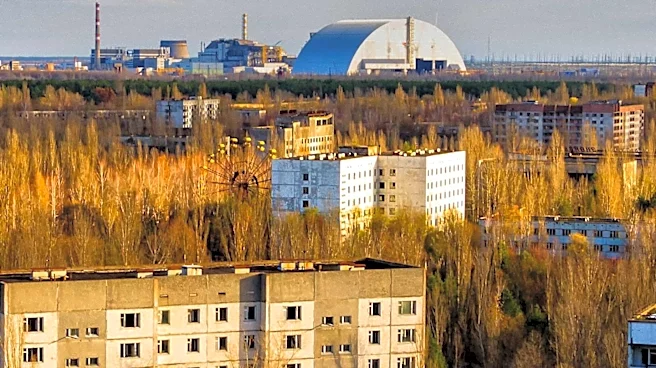
The cleanup of the Chernobyl Nuclear Power Plant disaster involved a significant effort to deploy robots for debris removal and radiation measurement. The event, which occurred in 1986, led to the development of various robotic designs by teams from the USSR
and allied nations. Many of these robots faced challenges due to inadequate testing and mechanical issues, resulting in limited success. Despite these setbacks, some designs, such as the BAER Beloyarets, proved effective and are now preserved as historical artifacts.
Why It's Important?
The use of robots in the Chernobyl cleanup underscores the complexities of operating in high-radiation environments. The lessons learned from these efforts are relevant to current and future nuclear decommissioning projects, such as Fukushima Daiichi. The challenges faced by the robots highlight the need for robust testing and design considerations in hazardous conditions. This historical case study provides valuable insights into the development of technology for disaster response and the importance of international collaboration in addressing nuclear safety.
What's Next?
The legacy of Chernobyl's robotic cleanup efforts continues to influence modern approaches to nuclear disaster management. As technology advances, there is potential for more sophisticated and reliable robotic systems to be developed for similar applications. Ongoing research and development in robotics and nuclear safety will likely draw on the experiences from Chernobyl to improve future responses. Additionally, the preservation of these robots as historical artifacts serves as a reminder of the challenges and innovations that emerged from the disaster.