What's Happening?
The USS Abraham Lincoln, a U.S. Navy aircraft carrier, is en route to the Middle East amid ongoing protests in Iran. The carrier, which was previously operating in the South China Sea, is now moving towards
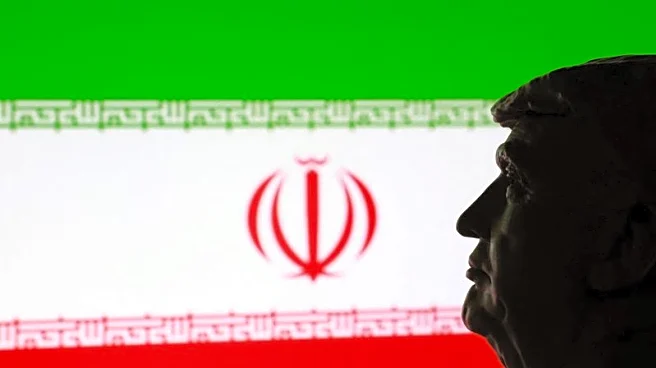
the U.S. Central Command area. This deployment follows President Trump's warning regarding the Iranian government's crackdown on protesters. The protests, which began in late December, have resulted in significant casualties. The U.S. has indicated that military action remains an option, and the deployment of the carrier strike group is seen as a strategic move to bolster deterrence in the region.
Why It's Important?
The deployment of the USS Abraham Lincoln to the Middle East underscores the U.S.'s commitment to addressing the situation in Iran, where protests pose a significant challenge to the ruling regime. The presence of the carrier strike group enhances U.S. military readiness and serves as a deterrent against further escalation by the Iranian government. This move also highlights the strategic importance of the region and the U.S.'s role in maintaining stability. The potential for military intervention could have wide-ranging implications for U.S. foreign policy and regional security dynamics.
What's Next?
As the USS Abraham Lincoln approaches the Middle East, there is anticipation regarding the U.S.'s next steps. The situation in Iran remains volatile, and further developments could prompt additional U.S. actions. The international community will be closely monitoring the U.S.'s response and its impact on regional stability. The deployment also raises questions about the future of U.S.-Iran relations and the potential for diplomatic or military resolutions to the ongoing crisis.