





What's Happening?
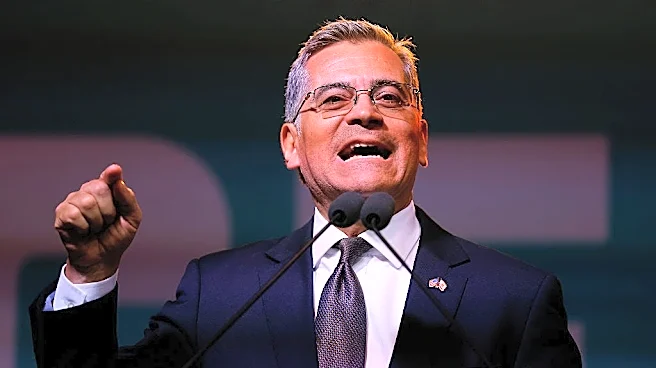
Tom Steyer, a billionaire and former Democratic presidential candidate, is facing significant challenges in his bid for California's governorship. Despite spending over $200 million of his own money, Steyer is unlikely to advance to the top-two gubernatorial
runoff. This situation mirrors the experiences of other wealthy candidates in California, such as Meg Whitman and Carly Fiorina, who also failed to secure high office despite substantial personal investments. The article suggests that voters often view such candidates as disconnected from the financial realities of average citizens, and their wealth can become a barrier to voter connection.
Why It's Important?
Steyer's campaign difficulties underscore the limitations of self-funding in political races, particularly in a state like California where voter engagement and connection are crucial. The trend of wealthy individuals attempting to 'buy' political office raises questions about the role of money in politics and the effectiveness of campaign spending. This case also highlights the potential disconnect between financial success in business and political viability, as voters may prioritize empathy and understanding of their daily struggles over financial acumen.
Beyond the Headlines
The broader implications of Steyer's campaign struggles may influence future political strategies for wealthy candidates. It suggests a need for such candidates to build genuine connections with voters and demonstrate an understanding of public service beyond financial contributions. This development could also prompt discussions about campaign finance reform and the influence of wealth in political processes.