








What's Happening?
As the United States marks its 250th Independence Day, Americans across the nation are reflecting on the country's history and what this milestone means to them. Celebrations are taking place in various forms, from parades and festivals to personal reflections
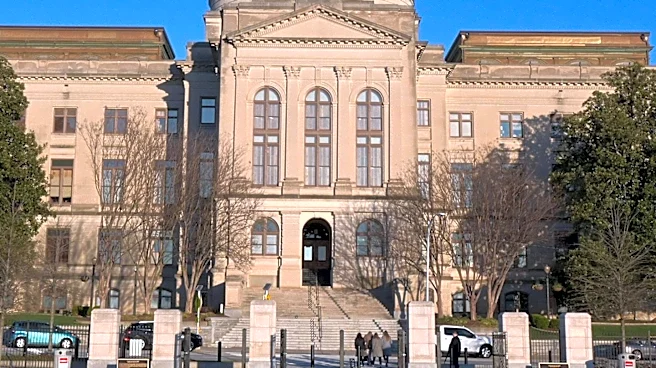
on the nation's past and future. In Cuba City, Wisconsin, known as the 'City of Presidents,' the streets are adorned with patriotic decorations, a tradition that began during the bicentennial in 1976. Meanwhile, in Georgia, a civics competition is inspiring hope among young participants about the future of American democracy. In Texas, long-serving public official Rodney Ellis reflects on the progress and setbacks in American history, emphasizing the ongoing process of patriotism. In Oregon, Pulitzer Prize-winning writer Mitchell S. Jackson grapples with the complexities of American history, particularly regarding slavery and civil rights, questioning the true meaning of freedom in America.
Why It's Important?
The 250th anniversary of American independence serves as a moment for reflection on the nation's achievements and ongoing challenges. It highlights the diverse perspectives and experiences that make up the American identity. For some, it is a time to celebrate progress, such as the expansion of civil rights and representation in government. For others, it is a reminder of the inequalities and injustices that persist. This milestone encourages a national dialogue about the values and principles that define the United States, urging citizens to consider how they can contribute to a more equitable and just society. The reflections shared by individuals across the country underscore the importance of acknowledging both the triumphs and the shortcomings of American history.
What's Next?
As the nation moves forward from this significant anniversary, there is a call for continued engagement in civic life and a commitment to addressing the challenges that remain. The reflections and discussions sparked by the 250th Independence Day may lead to increased efforts in education, policy reform, and community building. Stakeholders, including political leaders, educators, and activists, are likely to focus on fostering a more inclusive and representative democracy. The emphasis on youth involvement, as seen in the civics competitions, suggests a growing recognition of the importance of empowering the next generation to shape the future of the country.
Beyond the Headlines
The 250th anniversary also prompts a reevaluation of the narratives that have traditionally defined American history. There is a growing movement to include diverse voices and stories that have been marginalized or overlooked. This includes recognizing the contributions of women, people of color, and immigrants in shaping the nation. By challenging the dominant narratives, Americans can gain a more comprehensive understanding of their history and identity. This broader perspective can foster greater empathy and solidarity among citizens, paving the way for a more united and resilient nation.