





What's Happening?
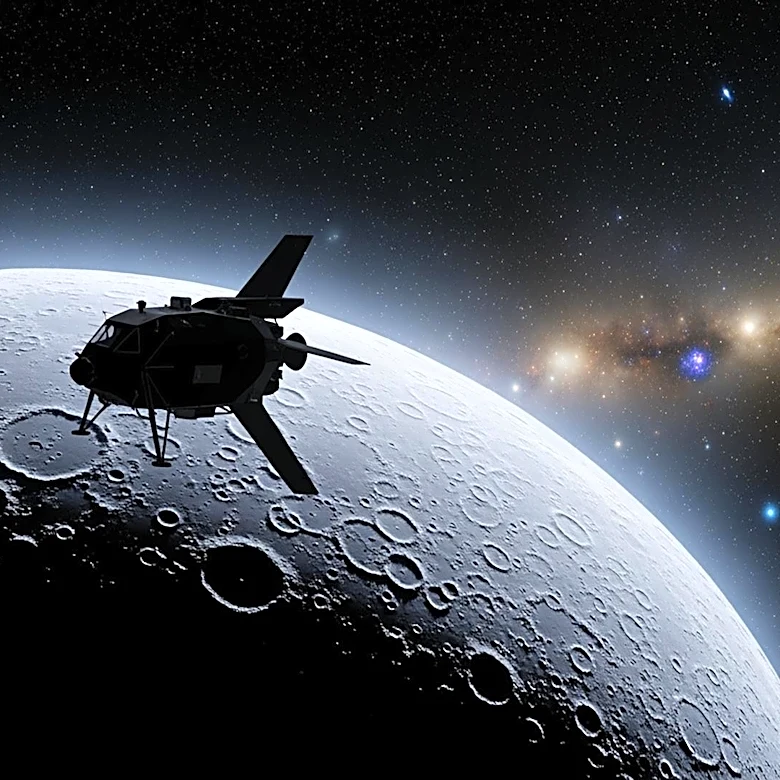
The Artemis II mission, which aims to slingshot around the moon, has officially launched with a four-member crew aboard the Orion capsule. The crew, consisting of Mission Specialist Jeremy Hansen, Mission Specialist Christina Koch, Commander Reid Wiseman,
and Pilot Victor Glover, is part of NASA's broader goal to land humans back on the moon by 2028. To support the crew's health and performance during the mission, NASA has developed a comprehensive food system. This system includes a variety of shelf-stable meals and beverages, as the food cannot be restocked or refrigerated during the mission. The menu features a range of items from barbecued beef brisket to tropical fruit salad, with options for rehydration and heating using specialized equipment. The crew is allowed two flavored beverages a day, including coffee, and the menu changes based on the mission phase.
Why It's Important?
The Artemis II mission is a critical step in NASA's plan to return humans to the moon, marking a significant milestone in space exploration. The development of a specialized food system highlights the challenges of sustaining human life in space, particularly on long-duration missions. This mission not only tests the capabilities of the Orion spacecraft but also the effectiveness of NASA's life support systems, which are crucial for future lunar and potentially Martian missions. The success of Artemis II could pave the way for more ambitious space exploration endeavors, influencing international collaboration and technological advancements in space travel.
What's Next?
As the Artemis II mission progresses, the crew will continue to test the spacecraft's systems and the effectiveness of the food and life support systems. The mission's outcomes will inform the planning and execution of future Artemis missions, including the anticipated lunar landing in 2028. NASA will analyze the data collected during this mission to refine their strategies for long-term human space exploration. The success of Artemis II could also impact funding and support for NASA's future projects, potentially accelerating the timeline for human exploration of Mars.