







What's Happening?
A ghost hunt in San Francisco's Chinatown is offering a unique tour that combines local history with supernatural elements. The 90-minute walking tour provides participants with an EMF detector to engage in ghost-hunting activities while exploring historical
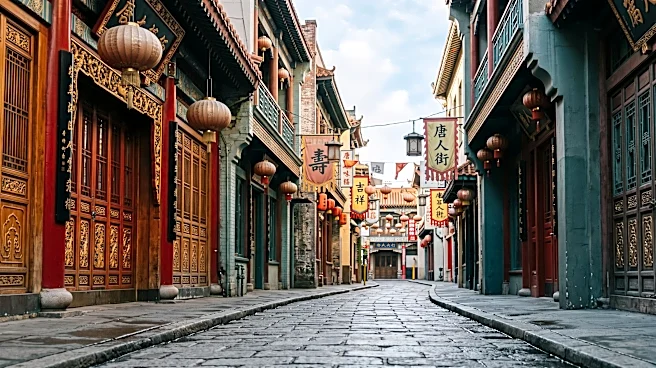
sites. The narrative of the tour delves into Gold Rush-era deaths, murders, and gang conflicts, which are presented as contributing factors to reported paranormal activity in the area. Guides on the tour, such as Jamie, Aliya, and Mac, are noted for their engaging storytelling and their approach to seeking ordinary explanations before attributing readings to paranormal phenomena. The tour covers three historic areas: the Transamerica Pyramid area, Jackson Square, and Chinatown, with a focus on connecting present-day streets to past events. The experience is designed to be interactive, allowing participants to use ghost-hunting equipment and engage with the historical context of the city's darker past.
Why It's Important?
This ghost hunt highlights the enduring cultural and historical significance of San Francisco's Gold Rush era and its impact on the city's identity. By intertwining historical accounts of gang conflicts and violence with supernatural narratives, the tour offers a unique lens through which to understand the city's past. It underscores how historical events, even those from over a century ago, continue to shape local folklore and tourism. For the tourism industry, such niche tours provide a distinct attraction that appeals to both history enthusiasts and those interested in the paranormal, diversifying the city's offerings beyond traditional sightseeing. The emphasis on local history, including the often-overlooked aspects of gang activity and social upheaval during the Gold Rush, enriches the understanding of San Francisco's development and the complex social dynamics that characterized its early years. This approach also demonstrates how historical narratives can be creatively presented to engage a broader audience, fostering a deeper connection to the city's heritage.
What's Next?
The tour is offered in English and is generally considered suitable for most participants, though it is not recommended for children aged 10 and under due to the mature themes of death and violence. The experience requires good weather and a minimum number of participants, with operators offering alternative dates or refunds if cancellations occur for these reasons. Bookings are typically made about 19 days in advance, indicating consistent demand for this type of historical and paranormal exploration. Participants are advised to dress warmly, wear comfortable walking shoes, and plan their transportation, as the tour ends in Chinatown. The ongoing popularity of such tours suggests a continued interest in experiential history and paranormal tourism, potentially leading to the development of similar themed attractions in other historically rich U.S. cities. The tour's success may also encourage other historical societies or tourism operators to integrate interactive elements and unique storytelling into their offerings.
Beyond the Headlines
The San Francisco Chinatown ghost hunt delves into the deeper cultural and psychological aspects of how communities grapple with their past, particularly events marked by violence and conflict. The tour's focus on Gold Rush-era gang conflicts and their purported connection to paranormal activity reflects a societal fascination with unresolved historical traumas and the human desire to find meaning or connection with the past. Ethically, the tour navigates the delicate balance of presenting sensitive historical events, such as murders and gang wars, in an entertaining yet respectful manner. The guides' practice of seeking ordinary explanations for EMF readings before resorting to supernatural ones demonstrates a nuanced approach to paranormal tourism, acknowledging skepticism while still embracing the allure of the unknown. This blend of historical education and supernatural intrigue highlights how cultural narratives evolve, incorporating both factual accounts and folklore to create a rich, multi-layered understanding of a place. It also touches upon the psychological impact of historical events, suggesting that the echoes of past conflicts can linger in the collective consciousness and manifest in various forms, including ghost stories.