



What's Happening?
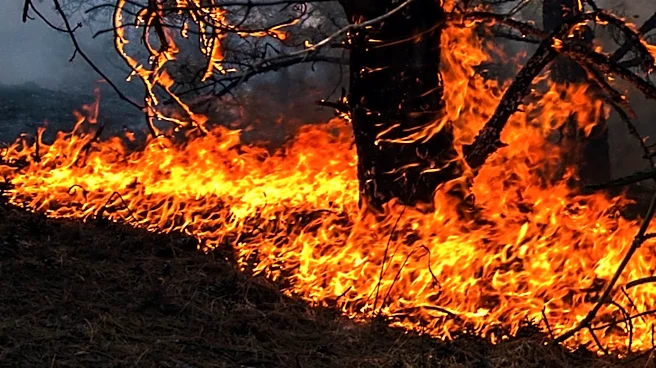
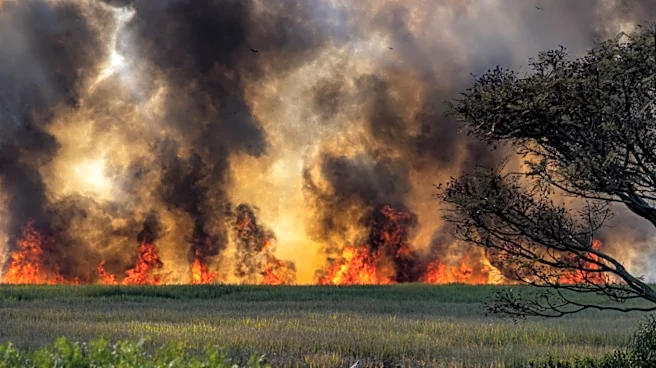
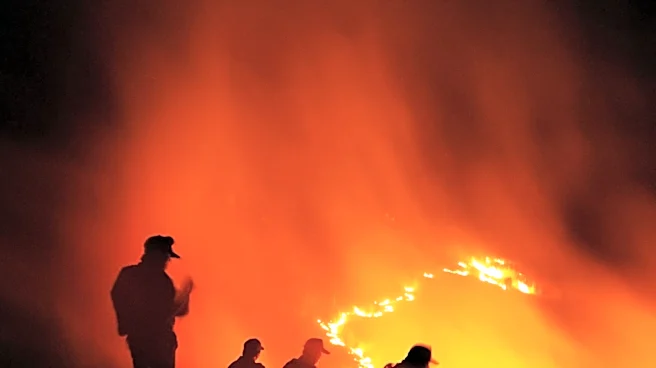
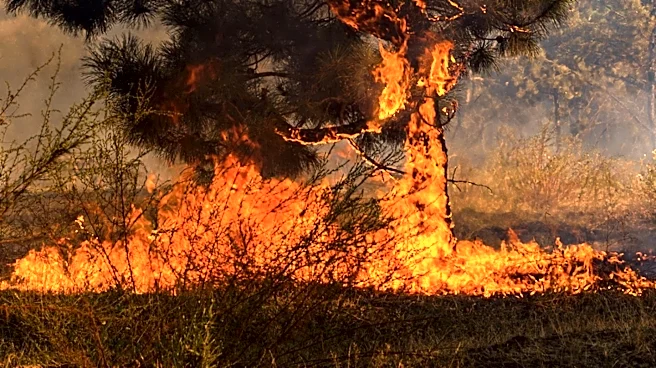
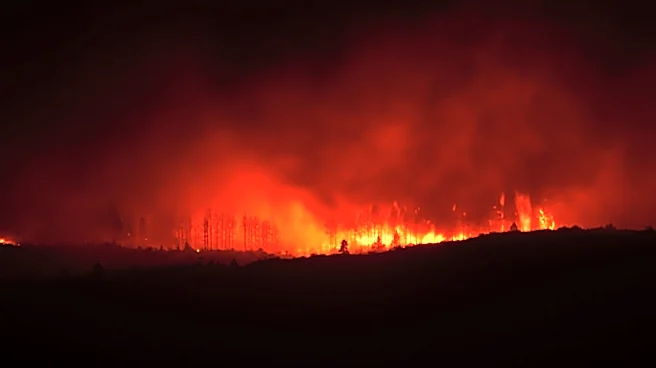
In Spokane, Washington, three fast-moving wildfires have forced tens of thousands of residents to evacuate as the fires swept through forests and residential areas over the weekend. More than 600 structures have been reported as burned, and the fires remain
uncontained. The rapid spread of the fires has been attributed to dry conditions and high winds, which have exacerbated the situation, making firefighting efforts challenging.
Why It's Important?
The wildfires in Spokane highlight the increasing frequency and intensity of wildfires in the U.S., particularly in the western states. These events have significant implications for public safety, as they threaten lives, homes, and infrastructure. The economic impact is also considerable, with costs associated with firefighting, recovery, and rebuilding. Additionally, the environmental consequences include loss of wildlife habitats and increased air pollution, which can have long-term health effects on the population.
What's Next?
Efforts to contain the fires are ongoing, with firefighters working tirelessly to protect communities and prevent further destruction. As the situation develops, there may be calls for increased resources and support for firefighting efforts. In the long term, there may be discussions on improving fire prevention strategies and infrastructure resilience to better withstand such events. Community preparedness and education on fire safety could also be emphasized to mitigate future risks.
Beyond the Headlines
The Spokane wildfires underscore the broader challenges posed by climate change, which is contributing to more extreme weather conditions and increasing the likelihood of such disasters. The need for comprehensive climate action and sustainable land management practices is becoming increasingly urgent. The ethical considerations of balancing development with environmental conservation are complex, requiring a multifaceted approach to address the root causes of these fires.