








What's Happening?
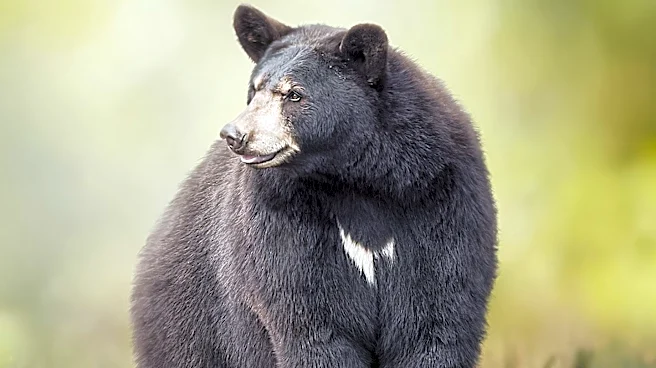
Colorado is experiencing a record year for bear attacks and incidents, with 294 bears euthanized as of August 31, nearly four times the five-year average. This surge in bear activity is attributed to a combination of factors, including a natural period
of hyperphagia (intense feeding before hibernation) and a severe food shortage in higher elevations caused by historic heat and drought. As a result, hungry bears are venturing into more populated areas, leading to increased human-bear conflicts. Cassandre Venumière-Lefebvre, a PhD candidate at Colorado State University researching human-black bear coexistence, highlights that while mountain towns often have bear-proof trash cans, communities in less traditional bear habitats, like Denver, lack such infrastructure. Many waste management companies do not offer bear-resistant cans, making garbage a readily accessible food source for bears. This lack of secure attractants and public awareness is contributing to bears becoming habituated to human environments, increasing the risk of dangerous encounters.
Why It's Important?
The escalating number of bear attacks and euthanizations in Colorado underscores a critical intersection of climate change, urban expansion, and inadequate waste management practices. The food scarcity driven by drought and heat pushes wildlife into human-populated areas, creating dangerous situations for both humans and bears. The lack of widespread bear-proof waste management solutions in areas not traditionally considered bear habitats highlights a significant gap in urban planning and public policy. This issue affects public safety, as evidenced by recent attacks, and has severe consequences for the bear population, leading to a higher rate of euthanization. Addressing this problem requires a multi-faceted approach, including improved waste infrastructure, enhanced public education on securing attractants, and a re-evaluation of how human development impacts wildlife corridors and food sources. The economic impact could include increased costs for wildlife management and potential tourism concerns if the problem persists.
What's Next?
Efforts are underway to advocate for more widespread availability of bear-resistant trash cans, particularly in areas along the Front Range where human-bear interactions are increasing. Public awareness campaigns are crucial to educate residents on securing food attractants, such as birdseed and fruit trees, which draw bears into residential areas. As climate change continues to impact natural food sources, communities will likely face ongoing challenges in managing wildlife interactions. This may necessitate policy changes at the local and state levels to mandate bear-resistant waste containers and integrate wildlife considerations into urban and suburban development plans. Researchers like Venumière-Lefebvre will continue to study bear behavior and human-bear coexistence to inform more effective management strategies, aiming to reduce habituation and prevent future conflicts.
Beyond the Headlines
The record bear incidents in Colorado reveal a deeper ecological and societal challenge: the increasing overlap between human and wildlife habitats due to climate change and urban sprawl. The concept of 'habituation'—bears losing their fear of humans due to repeated exposure to human food sources—is a critical factor, leading to more aggressive and dangerous bear behavior. This situation raises ethical questions about human responsibility in managing wildlife populations and the consequences of human actions on natural ecosystems. The disparity in bear-proofing measures between mountain towns and urban centers highlights a need for more uniform and proactive environmental policies. Ultimately, the crisis in Colorado serves as a stark reminder that sustainable coexistence with wildlife requires not only individual behavioral changes but also systemic improvements in infrastructure and policy, reflecting a shared responsibility to protect both human communities and natural biodiversity.