







What's Happening?
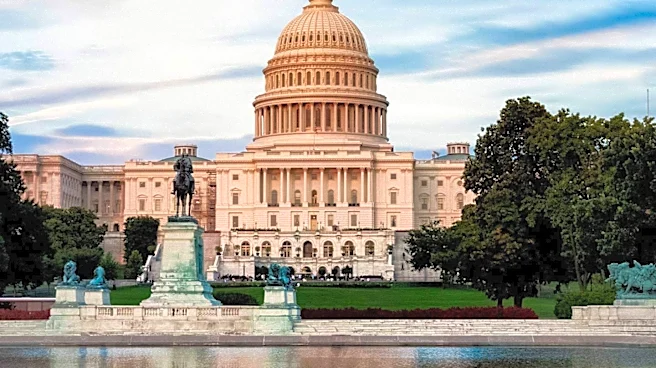
Over 750 cancer patients, survivors, and their families from across the United States, including two South Carolina residents, traveled to Capitol Hill to advocate for increased federal funding for cancer research and prevention. Representing the American
Cancer Society Cancer Action Network, Shelby Duckett of Summerville and Lee Moultrie of North Charleston met with state representatives. They are specifically requesting Congress to allocate $51.3 billion for the National Institutes of Health (NIH), with an additional $230 million designated for early detection and prevention programs for breast and cervical cancers through the Centers for Disease Control and Prevention (CDC). Duckett highlighted that institutions in South Carolina, such as MUSC, which is the state's highest NIH institute, would directly benefit from these federal allocations, leading to job creation and increased research opportunities in the region. Moultrie, an 11-year cancer survivor, emphasized the importance of removing financial barriers to patient care and clinical trial access.
Why It's Important?
The advocacy for increased cancer research funding is crucial given the significant impact of cancer on American lives. In South Carolina alone, nearly 37,000 people are diagnosed with cancer annually, and close to 12,000 succumb to the disease each year. Federal funding for the NIH and CDC directly supports the research and programs essential for developing new treatments, improving early detection methods, and ultimately saving lives. Increased funding would not only accelerate scientific breakthroughs but also strengthen the healthcare infrastructure in states like South Carolina, creating jobs and fostering economic growth through research institutions. Furthermore, the push for the bipartisan Clinical Trial Modernization Act aims to ensure that financial and geographical barriers do not prevent patients from accessing potentially life-saving clinical trials, promoting equitable access to advanced medical care and research opportunities for all Americans.
What's Next?
Advocates will continue to engage with lawmakers on Capitol Hill to push for the requested funding levels for the National Institutes of Health and the Centers for Disease Control and Prevention. The American Cancer Society Cancer Action Network will also persist in its efforts to garner support for the bipartisan Clinical Trial Modernization Act. This legislation seeks to expand access to clinical trials, ensuring that more patients, regardless of their location or financial situation, can participate in medical advancements. The ongoing dialogue between patient advocates, researchers, and congressional representatives will be critical in shaping future federal budgets and healthcare policies related to cancer research and treatment. The focus will remain on demonstrating the tangible benefits of these investments in terms of improved patient outcomes and public health.
Beyond the Headlines
The impassioned pleas from cancer patients and survivors on Capitol Hill underscore a deeper societal commitment to combating disease and improving quality of life. This advocacy highlights the human face of scientific funding, demonstrating how abstract budget numbers translate into real-world impacts on individuals and communities. The emphasis on clinical trial access also brings to light the ethical imperative of ensuring equitable healthcare opportunities. Financial and geographical barriers to clinical trials can exacerbate health disparities, limiting access to cutting-edge treatments for vulnerable populations. By advocating for policies that remove these barriers, organizations like the American Cancer Society Cancer Action Network are not only pushing for medical progress but also for a more just and inclusive healthcare system. This collective effort reflects a broader understanding that investing in health research is an investment in the nation's future well-being and economic vitality.