







What's Happening?
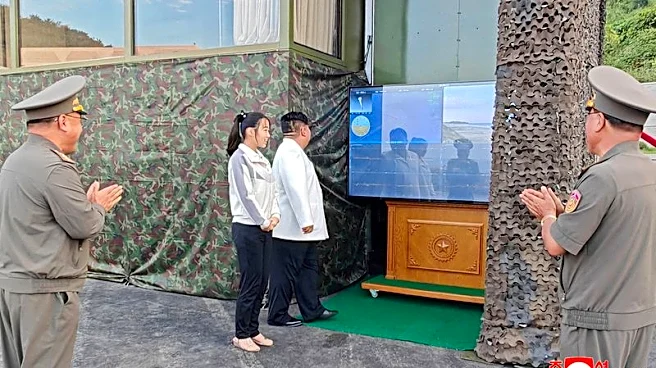
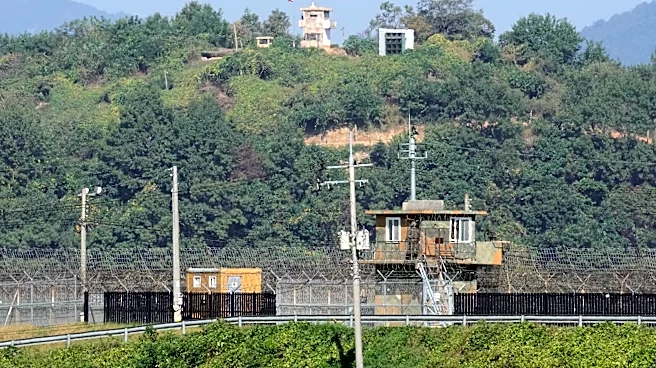
The U.S. Department of State has issued a worldwide caution and elevated travel advisories, including Level 4 guidance, for several regions. These advisories are not legal travel bans, with the sole exception of North Korea. Americans are technically
permitted to book flights to most of these locations. However, practical consequences arise from these advisories. In many destinations with a Level 4 advisory, U.S. embassies or consulates may have reduced staff, suspended operations, or closed entirely, limiting consular services. Furthermore, many standard travel insurance policies exclude coverage for destinations carrying a Level 4 advisory if the policy was purchased after the advisory was issued. For instance, Venezuela currently holds a Composite Risk Level 3: Reconsider Travel, with the U.S. State Department citing crime, kidnapping, terrorism, and poor health infrastructure. Specific areas within Venezuela, such as the Venezuela-Colombia border region and certain states, are under 'do not travel' warnings. Routine consular services in Venezuela are suspended, and emergency services are not available outside Caracas, with most services handled by the U.S. Embassy in Bogotá, Colombia.
Why It's Important?
These elevated travel advisories significantly impact U.S. citizens planning international travel and have broader implications for the travel and insurance industries. While not outright bans, the practical consequences, such as reduced consular support and invalidated travel insurance, can leave travelers vulnerable in emergencies. This situation places a greater burden on individuals to thoroughly research and understand the risks associated with their chosen destinations. For businesses, especially those with international operations or employees traveling abroad, these advisories necessitate robust risk management strategies, including ensuring compliance with local visa and work permit requirements, data protection regulations, and anti-bribery laws. The lack of comprehensive travel insurance coverage for Level 4 destinations could lead to substantial financial losses for individuals and companies in the event of medical emergencies, security incidents, or trip cancellations. The advisories also reflect the U.S. government's assessment of security and safety conditions globally, influencing public perception and potentially deterring travel to affected regions, which can have economic repercussions for tourism-dependent economies.
What's Next?
Travelers considering destinations with elevated advisories should anticipate continued challenges regarding consular assistance and insurance coverage. It is crucial for individuals to consult travel health specialists, review vaccination requirements, and confirm medical evacuation coverage before departure. Organizations sending staff to such regions will need to treat these trips as essential or mission-critical, requiring senior-management approval, enhanced security briefings, and explicit confirmation of insurance coverage. The U.S. State Department will likely continue to monitor global conditions and update advisories as situations evolve. Travelers should regularly check the latest advisories and understand that conditions can change rapidly. The ongoing suspension of routine consular services in certain high-risk areas means that U.S. citizens should not rely on immediate government support in an emergency and should have personal emergency plans that do not depend on such assistance. The travel insurance industry may also see further adjustments to policies in response to the dynamic nature of global travel risks.
Beyond the Headlines
The nuanced distinction between a travel advisory and a travel ban highlights the complex interplay between government guidance, individual responsibility, and the private sector. While the U.S. government aims to inform its citizens of potential dangers, the ultimate decision and responsibility for travel rest with the individual. This approach contrasts with outright bans, which impose legal restrictions. The implications extend to the psychological impact on travelers, who may perceive advisories as de facto bans, leading to reduced international travel and cultural exchange. Furthermore, the limitations on consular services in high-risk areas underscore the challenges faced by diplomatic missions in unstable environments, reflecting broader geopolitical complexities. The reliance on private insurance for risk mitigation in these scenarios also raises questions about equitable access to safe travel, as comprehensive coverage can be expensive or unavailable for certain destinations, potentially disproportionately affecting different socioeconomic groups. This situation also implicitly encourages a higher degree of self-reliance and preparedness among U.S. citizens traveling internationally.