
What's Happening?
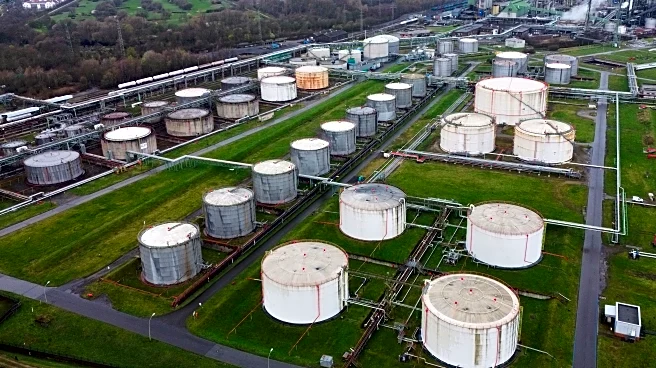
The International Energy Agency (IEA) has announced the release of 400 million barrels of oil from emergency reserves, marking the largest release in its history. This decision comes in response to the ongoing conflict involving Iran, which has disrupted
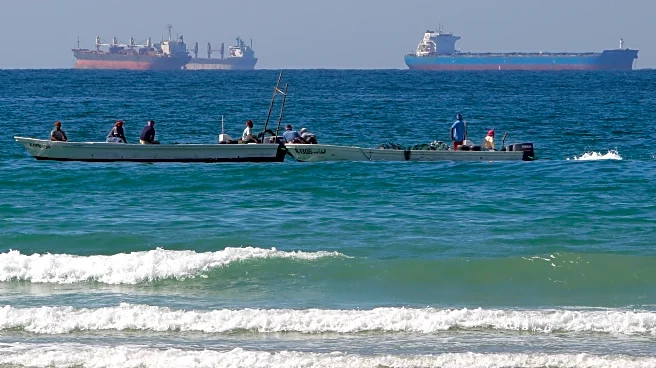
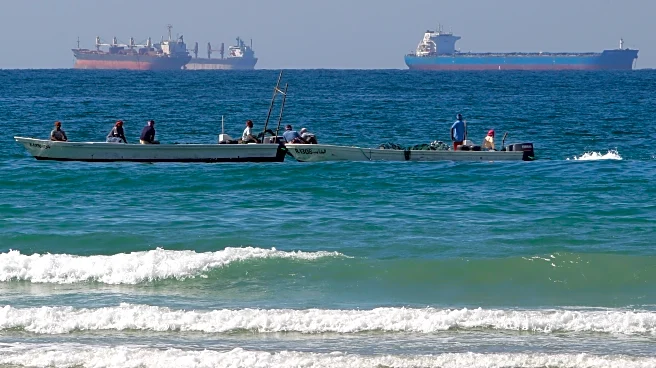
oil shipments through the Strait of Hormuz. The IEA's action aims to stabilize global energy markets affected by the conflict, which has seen Iran targeting commercial ships and oil infrastructure in the Persian Gulf. The release is more than double the amount released in 2022 during the Russia-Ukraine conflict. The IEA's executive director, Fatih Birol, emphasized the need for stable oil and gas flows, highlighting the severe impact on global energy supply, particularly in Asia.
Why It's Important?
The release of emergency oil reserves is a critical measure to mitigate the impact of the Iran conflict on global energy markets. The Strait of Hormuz is a vital chokepoint for oil transportation, and its disruption has significant implications for global oil prices and supply chains. The IEA's decision reflects the urgency of stabilizing energy markets to prevent further economic strain. The move is also a demonstration of international solidarity, with countries like Germany, Austria, and Japan contributing to the effort. This action is crucial for maintaining energy security and preventing a spike in oil prices that could exacerbate inflationary pressures worldwide.
What's Next?
The IEA's release of oil reserves is expected to provide temporary relief to global energy markets. However, the long-term stability of oil supply depends on resolving the conflict in the Persian Gulf and ensuring safe passage through the Strait of Hormuz. The G7 nations, which have pledged significant contributions to the oil release, are likely to continue diplomatic efforts to de-escalate tensions. Additionally, measures to regulate fuel prices, such as those announced by Germany and Austria, may be implemented to protect consumers and businesses from price volatility. The situation remains fluid, and further international cooperation will be essential to address the ongoing challenges.