







What's Happening?
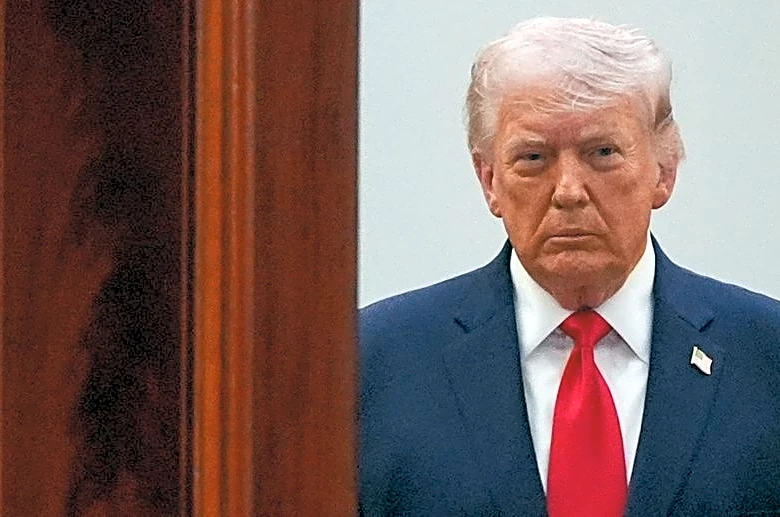
President Trump recently delivered a prime-time address regarding the U.S. military strategy in Iran, but left many questions unanswered. The speech, which came over a month into the conflict, did not clarify whether ground troops would be used or how
the U.S. plans to handle Iran's nuclear capabilities. Trump suggested the conflict could end in a few weeks, but his statements lacked detail on the future of U.S. involvement in the region. The address also touched on the strategic importance of the Strait of Hormuz, a critical passage for global oil transport, but offered no clear U.S. policy on ensuring its security.
Why It's Important?
The lack of clarity in President Trump's speech raises concerns about the U.S.'s strategic direction in the Middle East, particularly regarding Iran's nuclear ambitions and regional stability. The ambiguity may affect international relations, especially with NATO allies who are not actively involved in the conflict. The Strait of Hormuz's security is vital for global oil markets, and uncertainty in U.S. policy could lead to economic repercussions. The speech's vague nature may also impact domestic perceptions of Trump's foreign policy effectiveness, influencing public and political support.
What's Next?
The international community, particularly countries reliant on Middle Eastern oil, may seek diplomatic solutions to ensure the Strait of Hormuz remains open. The U.S. might face pressure to clarify its military and diplomatic strategies in the region. Domestically, political leaders and analysts will likely continue to scrutinize Trump's foreign policy decisions, potentially affecting his administration's standing. The situation in Iran remains fluid, and future developments could prompt further U.S. military or diplomatic actions.