








What's Happening?
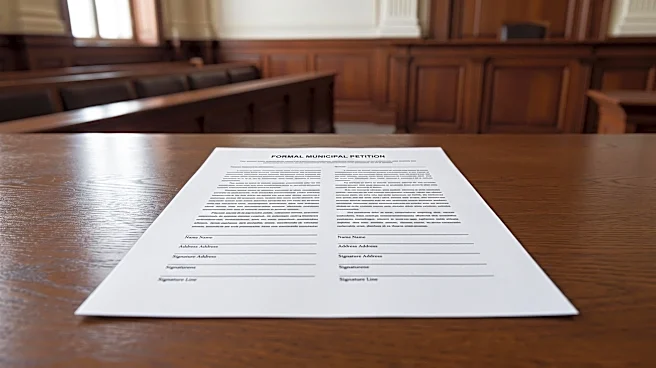
Randy Becker, a resident of Kirkwood Heights Road in Bridgeport, Ohio, along with four other property owners, has petitioned the Belmont County Commission to detach their seven parcels of land from the village of Bridgeport and incorporate them into Pease
Township. Becker presented their case during a recent commission meeting, arguing that the residents do not receive adequate services from Bridgeport in proportion to the RITA taxes they pay. He noted that none of the represented homeowners receive waste disposal, sewer, water, gas, or electric utility services from Bridgeport, and the only services provided are occasional street repair, snow plowing, roadside maintenance, and police patrol. Becker also suggested that these parcels were improperly included in a past annexation.
Why It's Important?
This petition highlights a common issue in local governance where residents feel underserved by their municipal government, leading to calls for boundary changes. The outcome of this request could set a precedent for other areas within Belmont County or similar situations across the U.S. where residents seek to change their municipal affiliation due to perceived disparities in services versus taxation. If approved, it could impact Bridgeport's tax base and Pease Township's service responsibilities. The case also brings to light the complexities of municipal annexations and the long-term implications for property owners and local governments, potentially influencing future urban planning and regional development strategies.
What's Next?
The Belmont County Commission did not take immediate action on the petition. Randy Becker plans to attend a Pease Township Board meeting to further his case, having already presented to the Bridgeport Village Council without significant feedback. The process for detachment typically involves meeting several conditions and may require surveys. The commission will need to deliberate on the presented information, including the historical context of the annexation and the current service provision. The decision will likely involve careful consideration of legal requirements, financial implications for both municipalities, and the welfare of the affected residents.
Beyond the Headlines
This local dispute over municipal boundaries and service provision reflects broader questions about local government efficiency, accountability, and the equitable distribution of resources. It underscores the importance of transparent and responsive local governance in maintaining resident satisfaction and community cohesion. The argument that parcels were improperly annexed decades ago raises legal and historical questions about land ownership and municipal jurisdiction. The resolution of this case could influence how future annexations are conducted and how residents can challenge existing municipal boundaries, potentially leading to reforms in local government practices regarding service delivery and taxation.