
What's Happening?
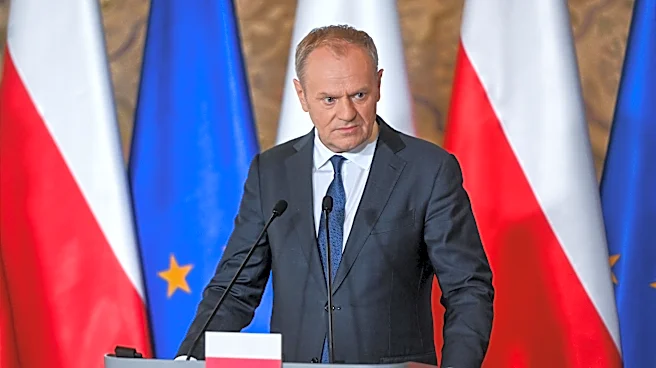
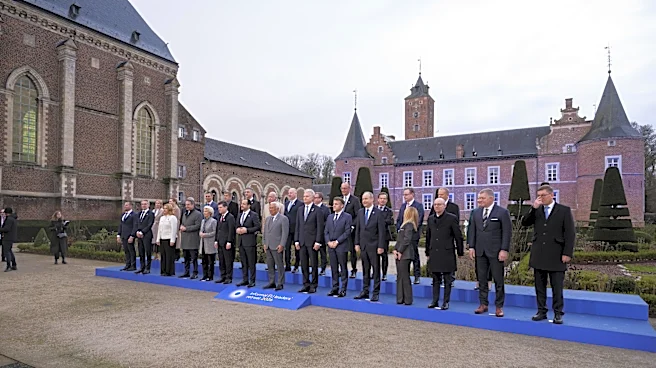
Polish Prime Minister Donald Tusk advocated for a pragmatic, ideology-free approach to energy policy for all Europeans at the seventh Partnership for Transatlantic Energy Cooperation (P-TEC) ministerial gathering in Warsaw. The event was co-hosted by
the U.S. Department of Energy, the Polish Ministry of Energy, and the Atlantic Council’s Global Energy Center. Tusk emphasized the need to prioritize energy sources based on logic, especially as supplies tighten and prices rise, despite the desire to protect the environment. U.S. Energy Secretary Chris Wright echoed this sentiment, stating that energy should not be about politics or 'the fashion of the day.' Polish Energy Minister Miłosz Motyka stressed the need for increased energy production and faster development, particularly in light of ongoing conflicts disrupting energy systems. Discussions also highlighted the importance of nuclear energy and liquefied natural gas (LNG) for diversification, with Poland signing a deal for a second nuclear power plant and positioning itself as a 'natural gate' for U.S. LNG supplies to the region.
Why It's Important?
This event and the statements made by key leaders are highly significant for U.S. energy policy and transatlantic relations. The call for a pragmatic approach to energy, prioritizing reliability and diversification, aligns with U.S. interests in ensuring stable global energy markets and supporting its allies. The emphasis on nuclear energy and LNG as crucial components of future energy architecture creates opportunities for U.S. companies and strengthens energy security ties with Europe, particularly with Poland. U.S. Energy Secretary Wright's characterization of energy collaboration as a 'strategic partnership' underscores its importance beyond commercial transactions, contributing to the strength and stability of U.S. allies in an increasingly dangerous world. This dialogue helps shape a unified transatlantic strategy to address energy challenges, counter Russian influence, and support Ukraine's energy needs during critical periods.
What's Next?
Looking ahead, Polish Energy Minister Miłosz Motyka suggested postponing the EU Emissions Trading System, which he views as a 'tax on the energy price,' and called for changes in the EU's taxonomy for nuclear energy to classify more activities as green. He also urged for more long-term contracts with the U.S. government and American companies, recognizing them as stable partners. Prime Minister Tusk called for continued conversation on how the U.S. and Europe can support Ukraine during the critical winter season, given Russia's attacks on its energy infrastructure. These discussions and recommendations will likely influence future energy policies within the EU and shape the nature of transatlantic energy cooperation, with a continued focus on diversification, security, and support for Ukraine.
Beyond the Headlines
The call for a 'mindset shift' in energy policy, moving away from ideology towards pragmatism, reflects a growing recognition of the complex trade-offs between environmental goals, energy security, and economic stability. This debate is particularly salient in the U.S., where energy policy often faces similar ideological divides. The emphasis on nuclear energy and LNG highlights a potential re-evaluation of energy sources previously deemed less desirable by some environmental advocates, driven by geopolitical realities and the need for reliable baseload power. The strategic partnership between the U.S. and Europe on energy, as articulated by Secretary Wright, underscores how energy has become a critical component of national security and geopolitical influence, moving beyond purely economic considerations. This shift could lead to a more diversified and resilient global energy landscape, but also presents challenges in balancing environmental aspirations with immediate energy needs.