





What's Happening?
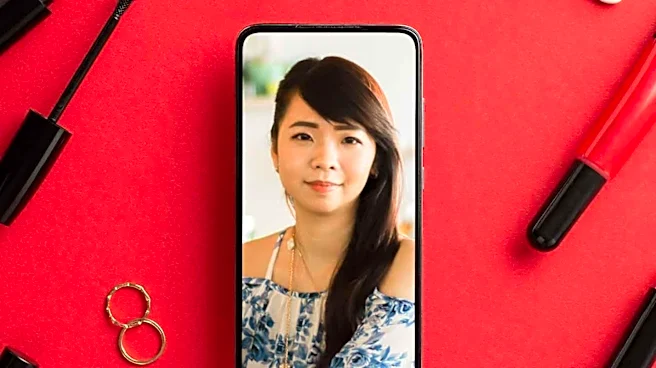
A recent debate on TikTok, sparked by a video from Caitlin Wehniainen, has brought to light differing perceptions of professionalism in the workplace, particularly concerning gender. Wehniainen's video suggested that bringing an iced coffee to a job interview
appears too casual and unprofessional. This sparked significant online discourse, with many commenters arguing that the stigma around iced coffee is rooted in its perceived feminine association. The conversation expanded to include broader issues of workplace attire and appearance standards, with social media users pointing out that men often find professional wear more easily than women. Additionally, the discussion touched upon the expectation for women to wear specific clothing like skirts, dresses, and heels, which can be uncomfortable, and the sexualization of women's business attire, which some argue detracts from their professional credibility. The debate also highlighted racial disparities, with one TikToker, Anna Papalia, noting that Black individuals face additional barriers to entry in the business world, making them less likely to risk perceived unprofessionalism.
Why It's Important?
This TikTok debate is important because it underscores persistent, often subtle, gender and racial biases embedded within workplace professionalism standards in the U.S. The discussion reveals how seemingly innocuous elements, like a beverage choice, can become symbols of deeper societal expectations and stereotypes. For women, the conversation highlights the double standards they face regarding appearance, where their attire can be sexualized or deemed unprofessional, potentially undermining their competence. For men, it touches on traditional gender roles that expect them to embrace discomfort, exemplified by the 'masculine' association with black coffee. The inclusion of racial disparities, such as the higher unemployment rate for Black individuals, further emphasizes how these biases create additional hurdles for marginalized groups in professional settings. This online discourse reflects a broader societal reckoning with outdated professional norms and their impact on diversity, equity, and inclusion in the American workforce.
What's Next?
The ongoing online discussion is likely to continue to challenge traditional notions of professionalism, potentially leading to increased awareness and calls for more inclusive workplace standards. As more individuals, particularly younger generations, engage in these conversations on platforms like TikTok, there may be a growing push for companies and organizations to re-evaluate their dress codes and conduct expectations. This could lead to a shift towards more flexible and equitable policies that prioritize competence and performance over arbitrary appearance-based judgments. Businesses might face pressure to address implicit biases in hiring and promotion processes, especially concerning gender and race. The debate could also encourage individuals to advocate for authenticity in the workplace, balancing personal expression with professional expectations, and fostering environments where diverse identities are respected rather than penalized.
Beyond the Headlines
Beyond the immediate debate, this conversation touches on the deeper cultural and psychological aspects of identity and belonging in professional spaces. The association of certain items or behaviors with 'masculinity' or 'femininity' reflects ingrained societal gender roles that influence how individuals are perceived and valued. The sexualization of women's business attire, as noted by Joe Navarro Forensics and Vogue, points to a systemic issue where women's professional credibility can be undermined by their appearance, regardless of their qualifications. This extends to the emotional labor women often undertake to meet these unspoken standards, such as spending more time and effort on their appearance. The discussion also highlights the mental burden on marginalized groups, who must constantly navigate and adapt to biased expectations to succeed. Ultimately, this debate is a microcosm of the larger struggle to dismantle systemic inequalities and create truly equitable and inclusive professional environments in the U.S.