





What's Happening?
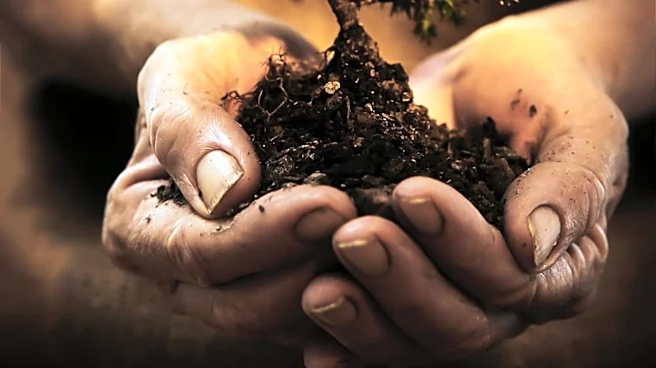
Hollywood icon Kim Novak, 93, has shared her detailed plans for what will happen to her body after she dies. In an interview with Fox News Digital, Novak revealed her desire to be turned into compost, allowing her friends to plant trees with her remains.
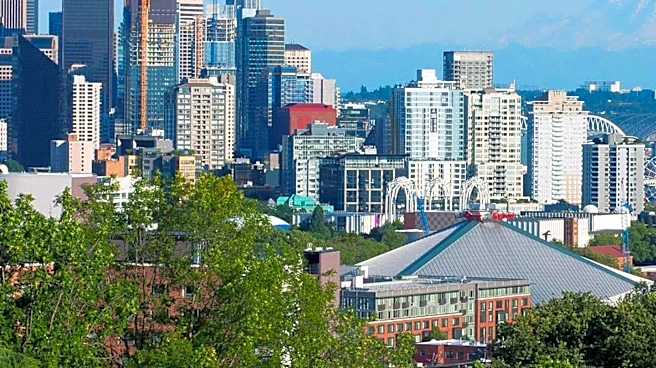
This decision, made a few years ago, stems from her belief that it's a 'beautiful thought' and an 'exciting adventure' that will allow her to 'keep living' and 'keep growing' through nature. She expressed a strong aversion to traditional burial or cremation, finding those concepts unattractive. Novak, known for her roles in films like 'Vertigo' and 'Bell, Book and Candle,' also hopes to raise awareness about human composting as an alternative post-mortem option. She finds comfort in the idea of becoming one with the soil and facilitating new growth, even specifying that she would like 'forget-me-nots' to be part of her compost. Human composting is legal in Oregon, where Novak resides, but her body will be transported to a facility in Washington state for the natural organic reduction process.
Why It's Important?
Kim Novak's public discussion of her post-mortem plans highlights a growing trend and increasing acceptance of alternative death care practices in the United States, particularly human composting. This practice, also known as natural organic reduction, offers an environmentally friendly alternative to traditional burial and cremation, which have significant ecological footprints. Traditional burial consumes land, uses embalming chemicals that can leach into the soil, and requires non-biodegradable materials for caskets. Cremation, while avoiding land use, releases carbon emissions and other pollutants into the atmosphere. Human composting, by contrast, transforms human remains into nutrient-rich soil, which can then be used to nourish plant life, effectively returning the body to the earth in a sustainable manner. Novak's celebrity status brings significant attention to this option, potentially encouraging more individuals to consider it and prompting further legislative action to legalize it in more states. This shift could lead to a broader re-evaluation of death rituals, emphasizing ecological responsibility and a more harmonious relationship with nature in end-of-life planning.
What's Next?
Following the natural organic reduction process in Washington state, Kim Novak's composted remains will be delivered to her friends and family. Her wish is for them to plant something, ideally a tree, with the compost. This act will fulfill her desire to continue growing and to have her life expressed through nature after death. Her public advocacy for human composting may lead to increased public discourse and awareness regarding this alternative. It could also influence legislative efforts in other states to legalize natural organic reduction, expanding access to this eco-conscious end-of-life choice. As more states consider and adopt such laws, the death care industry may see a diversification of services offered, moving towards more sustainable and personalized options. Novak's detailed and personal account could inspire others to explore and plan for similar arrangements, contributing to a broader cultural shift in how death and remembrance are approached.
Beyond the Headlines
Kim Novak's choice to embrace human composting transcends a mere personal preference; it touches upon deeper ethical, cultural, and environmental considerations surrounding death. Her decision challenges conventional societal norms regarding the disposition of human remains, which have historically been dominated by burial and cremation. By opting for a process that actively contributes to ecological regeneration, Novak underscores a profound connection between life, death, and the natural world. This perspective aligns with a growing environmental consciousness that seeks to minimize human impact on the planet, even in death. Culturally, her openness about her plans could help destigmatize conversations around death and dying, encouraging individuals to think more proactively and creatively about their end-of-life wishes. Ethically, human composting offers a dignified and respectful way to return to the earth, promoting a sense of continuity and purpose beyond individual existence. It also highlights the evolving legal landscape of death care, as states grapple with integrating new, environmentally sound practices into existing frameworks.