








What's Happening?
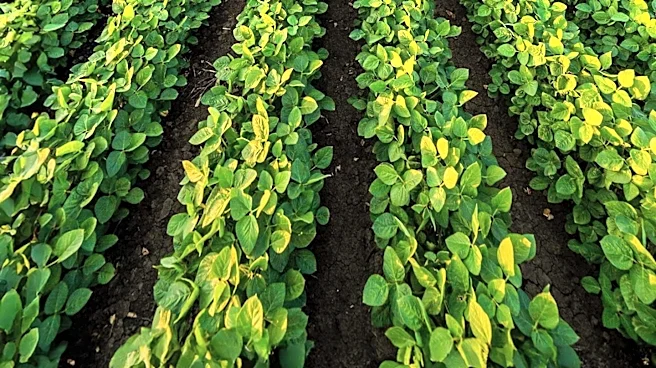
The Science Based Targets initiative (SBTi) has launched a consultation to refine its Forest, Land, and Agriculture (FLAG) Standard. This initiative aims to improve how companies measure and manage their land-based carbon emissions. The FLAG sector is a significant
contributor to global greenhouse gas emissions, accounting for 22% of the total. The current guidance requires organizations to account for land-based emissions and set science-based targets to reduce emissions by at least 72% by 2050. The consultation seeks feedback from underrepresented regions and aims to align the FLAG Standard with evolving net-zero commitments and industry best practices. The SBTi's call for evidence will close on October 8, with virtual stakeholder meetings planned to gather further input.
Why It's Important?
The consultation on the FLAG Standard is crucial as it addresses a major source of global emissions. By refining the standard, the SBTi aims to support companies in the FLAG sector to better manage transition risks and build resilience. This initiative is part of a broader effort to align corporate strategies with international climate objectives. Companies that adopt these standards can enhance their sustainability practices, meet stakeholder expectations, and contribute to global climate goals. The updated standard will also help companies align with the GHG Protocol's Land Sector and Removals Standard, ensuring consistency in emissions reporting and management.
What's Next?
The development of the new FLAG Standard is expected to take over a year, incorporating feedback from the consultation, public input, and expert advice. Companies with significant land-sector activities will need to align with the new standard by January 2027. The SBTi aims to transition from an 'ambition-setter' to a 'transformation partner,' helping companies implement effective climate strategies. This process will involve pilot testing and collaboration with industry experts to ensure the standard meets the needs of businesses and supports global climate efforts.