



What's Happening?
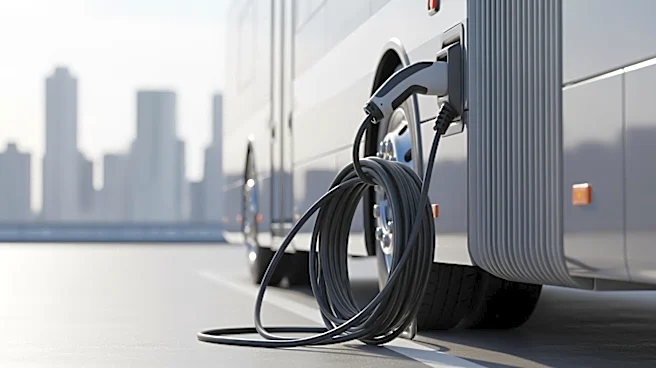
In New York, school districts are facing challenges with the state's mandate to transition from diesel to electric school buses by 2035. A recent presentation in Queensbury highlighted the difficulties early adopters have encountered, including high costs
and technical issues. The average cost of an electric bus is more than double that of a diesel bus, and the infrastructure required to support these vehicles is expensive. Additionally, the buses have performance issues, such as entering 'Turtle Mode' in extreme temperatures, which limits their speed and range. Legislators, including Sen. Dan Stec and Assemblymembers Carrie Woerner and Matt Simpson, expressed concerns about the mandate's feasibility and are considering legislative action to modify or repeal it.
Why It's Important?
The transition to electric school buses is part of a broader effort to reduce carbon emissions and promote sustainable energy use. However, the financial and logistical challenges faced by school districts could hinder these environmental goals. The high costs associated with purchasing and maintaining electric buses, along with the necessary infrastructure upgrades, place a significant financial burden on taxpayers. If the mandate is not adjusted, it could lead to increased costs for school districts and taxpayers, potentially diverting funds from other educational needs. The situation underscores the need for careful planning and support to ensure that environmental initiatives are both effective and economically viable.
What's Next?
Legislators are expected to discuss potential changes to the electric bus mandate in the coming weeks. Sen. Stec plans to co-sponsor a bill to repeal the mandate, while Assemblymember Woerner intends to use the data from early adopters to advocate for policy adjustments. The outcome of these discussions could influence the future of electric vehicle adoption in New York's school districts and set a precedent for other states considering similar mandates. Stakeholders, including school administrators and environmental advocates, will likely engage in the debate to balance environmental goals with practical and financial considerations.