
What's Happening?
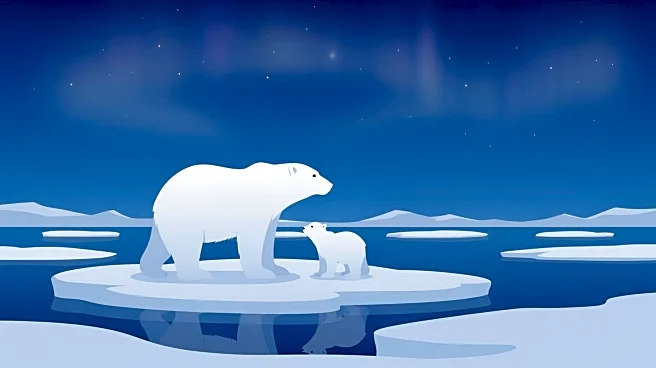
A polar bear mother in Churchill, Manitoba, has been observed adopting an abandoned cub during her migration. Initially seen emerging from her den with one cub, she was later spotted with two. This rare
event marks only the 13th documented case of polar bear adoption in the past 45 years, according to researchers. The adoption occurred as the bears were migrating, a period when cubs are particularly vulnerable to abandonment due to environmental pressures and the challenges of survival in harsh conditions.
Why It's Important?
The adoption of an abandoned cub by a polar bear mother highlights the adaptability and social behaviors within the species, which are crucial for survival in the Arctic environment. This event underscores the importance of understanding polar bear behavior, especially as climate change continues to impact their natural habitat. The ability of polar bears to adopt and care for unrelated cubs may play a role in the species' resilience against environmental changes. It also provides valuable insights for conservationists working to protect polar bear populations, which are threatened by shrinking ice habitats and food scarcity.
What's Next?
Researchers will likely continue to monitor the polar bear mother and her adopted cub to gather more data on the dynamics of polar bear adoption. This could lead to further studies on the social structures and survival strategies of polar bears, contributing to more effective conservation efforts. Additionally, the event may prompt discussions on the impact of climate change on polar bear populations and the need for international cooperation in Arctic conservation initiatives.
Beyond the Headlines
The adoption of a cub by a polar bear mother may have broader implications for understanding animal behavior and social structures in extreme environments. It raises questions about the evolutionary advantages of such behaviors and how they might be influenced by changing environmental conditions. This case could also inspire further research into the genetic and environmental factors that drive adoption behaviors in wildlife, potentially offering new perspectives on animal welfare and conservation strategies.