






What's Happening?
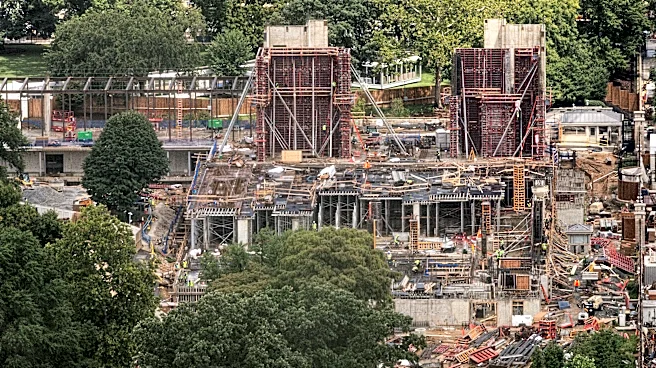
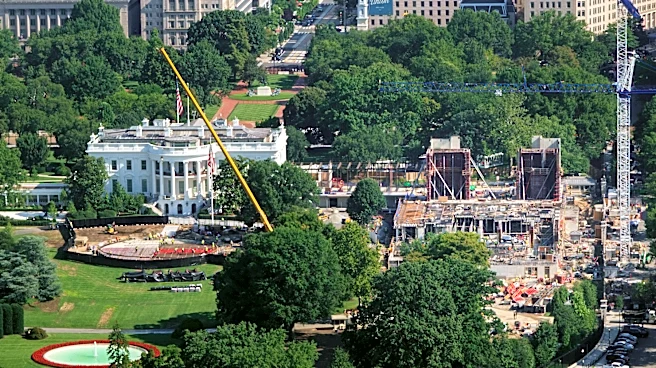
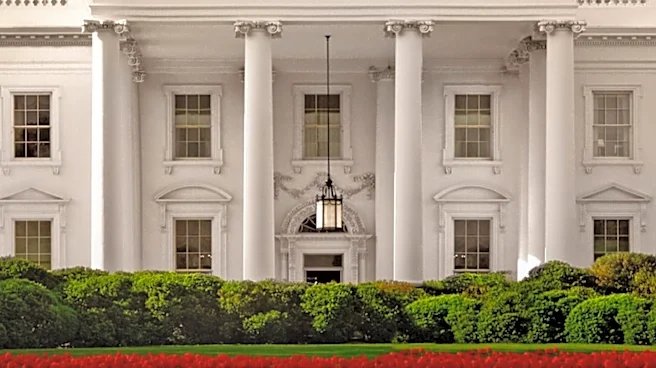
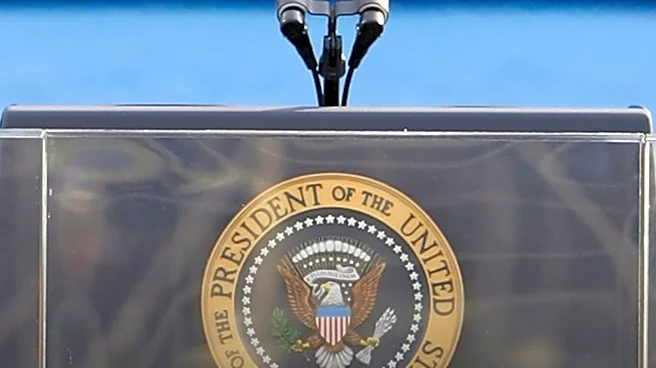
President Trump has formally requested the U.S. Supreme Court to permit the continued construction of a White House ballroom, arguing that the project is essential for national security and his personal safety. This appeal follows a federal appeals court
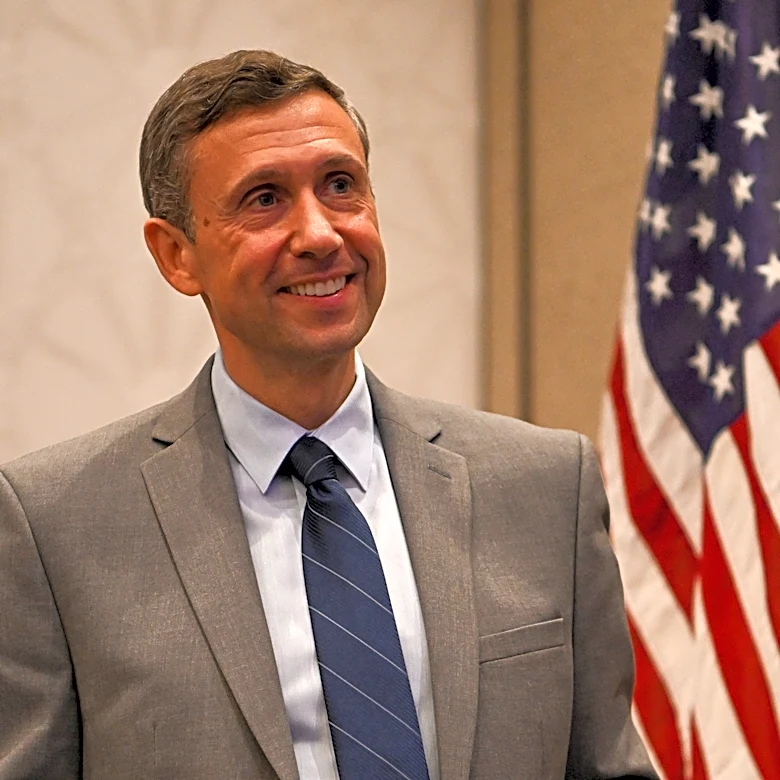
injunction that halted above-ground construction. In his filing, President Trump's lawyers cited past security incidents, including a "wild catering truck escape" in Turkey and other alleged assassination plots, to underscore the necessity of the ballroom. Solicitor General D. John Sauer, representing President Trump, warned that allowing the injunction to stand would "wrongfully install a a single district judge as sole arbiter" of presidential safety. The project, initially pitched as an event space, has evolved into what Sauer described as an "integrated military complex," planned to include a military hospital, classified meeting rooms, and top-secret research facilities beneath the ballroom, which itself would feature bulletproof glass and a drone-proof roof. The National Trust, which initiated the lawsuit, claims the administration is accelerating construction to outrun court rulings.
Why It's Important?
This legal battle represents a significant clash between presidential authority, national security claims, and judicial oversight regarding federal property. President Trump's argument that the ballroom is a national security imperative, rather than merely a vanity project, elevates the stakes of the case to the highest court. The use of past security incidents, some highly unusual, to justify the construction could set a precedent for how future presidential projects are framed and defended. The dispute also highlights concerns about the transparency and accountability of government spending, as the project's estimated cost has reportedly doubled from $200 million to $400 million, with a total of $900 million in White House construction projects potentially funded by taxpayers. The outcome will define the limits of presidential power in altering federal property without explicit congressional approval and funding.
What's Next?
The nine justices of the Supreme Court, including President Trump's appointees, have until August 21 to issue a ruling on President Trump's emergency application. Solicitor General Sauer has urged immediate action, emphasizing the perceived threat to presidential safety. Meanwhile, construction on the ballroom continues, as the appeals court injunction has not yet taken effect. The National Trust alleges that the administration is actively accelerating construction, planning to install a million pounds of rebar and pour 3,000 cubic yards of concrete in the coming week, before the appeals court's stay expires. The Supreme Court's decision will determine whether construction can proceed unimpeded or if the injunction will be enforced, potentially leading to a halt or significant modification of the project.
Beyond the Headlines
The controversy surrounding the White House ballroom project delves into deeper questions about the nature of presidential power and the checks and balances within the U.S. government. The transformation of an "event space" into an "integrated military complex" raises concerns about executive overreach and the potential for bypassing congressional oversight on major infrastructure projects. The funding mechanism, initially private donations but now reportedly shifting to taxpayer money, also brings ethical and financial transparency issues to the forefront. This case could have lasting implications for the separation of powers, the management of national heritage sites, and the public's right to know about significant government expenditures and projects, particularly those justified under the umbrella of national security.