


What's Happening?
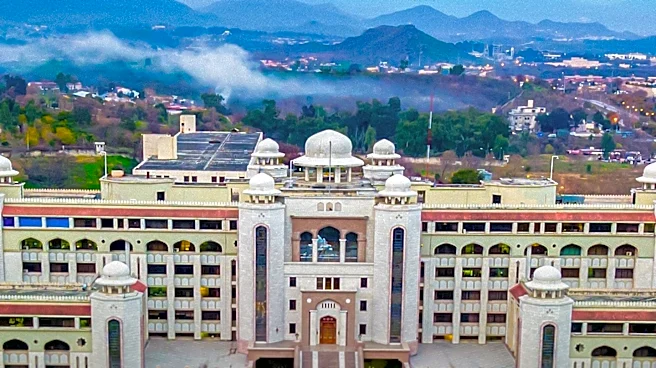
The Islamabad High Court Bar Association (IHCBA), in collaboration with the Apostolic Nunciature in Pakistan, organized a National Interfaith Harmony & Peace Conference in Islamabad. The conference, themed “Building Bridges of Faith, Justice & Peace,”
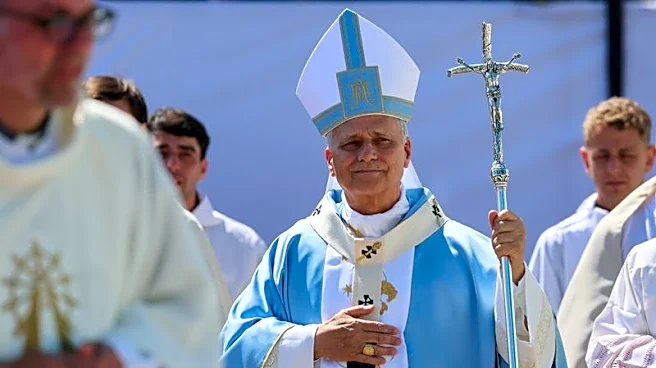
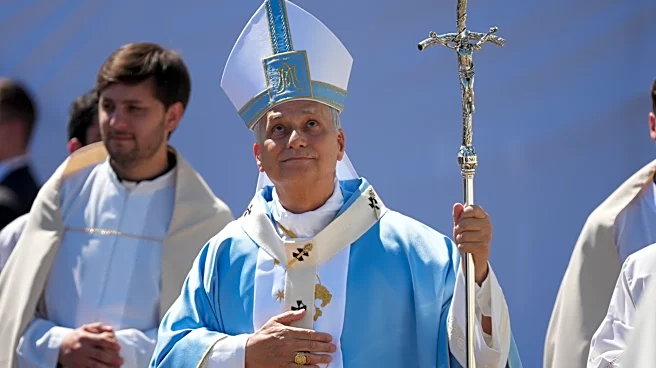
brought together national and international figures, including representatives from the Holy See, diplomats, parliamentarians, judges, legal professionals, religious scholars, and human rights activists. The primary goal was to promote interfaith harmony, constitutional equality, religious freedom, mutual respect, and peaceful coexistence in Pakistan. Speakers emphasized that citizens should be recognized as equal members of one nation, regardless of religious beliefs, and highlighted the importance of constitutional equality and national unity. Msgr. Indunil Janakaratne Kodithuwakku Kankanamalage, Secretary of the Dicastery for Interreligious Dialogue, stated that religious freedom is a recognition of human dignity, not a concession, and that society strengthens when people of different convictions live peacefully and contribute to the common good. The conference also addressed the misinterpretation of religion as a source of intolerance and the issue of forced conversions.
Why It's Important?
This conference underscores a significant effort to foster religious tolerance and equality in a nation often challenged by sectarian divisions. The participation of a Vatican delegation, including Msgr. Indunil Janakaratne Kodithuwakku Kankanamalage and Fr. Markus Solo Kewuta, highlights the Catholic Church's global commitment to interreligious dialogue and human dignity. For the U.S., promoting religious freedom and human rights globally aligns with its foreign policy objectives, as stability in regions like South Asia can have broader geopolitical implications. The emphasis on constitutional equality and legal safeguards for minorities could serve as a model or encouragement for other nations facing similar challenges. The discussions on combating religious misinterpretation and forced conversions are crucial for protecting vulnerable populations and ensuring fundamental human rights, which are values consistently advocated by the U.S. on the international stage. The conference's call for political leadership, the judiciary, and civil society to work together for a more inclusive Pakistan resonates with democratic principles and the rule of law.
What's Next?
The conference concluded with a call for continued collaboration among political leaders, the judiciary, religious institutions, the legal fraternity, and civil society to ensure equal dignity, security, freedom, justice, and belonging for all citizens, irrespective of religious identity. The message emphasized that faith should inspire justice, dialogue should strengthen understanding, and shared humanity should unite people in building lasting peace. Future efforts will likely focus on implementing the principles discussed, such as strengthening legal safeguards against forced conversions and promoting responsible religious leadership. The ongoing engagement of international bodies, like the Holy See, could provide continued support and advocacy for these initiatives. The success of these efforts will depend on sustained commitment from all stakeholders to translate the conference's ideals into tangible policy changes and societal practices, potentially influencing regional stability and human rights discourse.
Beyond the Headlines
The conference's focus on constitutional equality and the rejection of 'majority' and 'minority' labels touches upon deep-seated societal issues concerning identity and belonging. The historical context of Pakistan's founding father, Ali Jinnah's, vision of religious freedom, as quoted by Msgr. Kodithuwakku, highlights a foundational ideal that has often been challenged in practice. The discussion on the misinterpretation of religion as a source of intolerance points to the critical role of education and religious leadership in shaping societal attitudes. Addressing issues like forced conversions involves not only legal frameworks but also cultural shifts and community engagement to protect individual autonomy and human rights. This initiative could set a precedent for how diverse societies can navigate religious differences, emphasizing that true strength comes from inclusivity and mutual respect rather than division. The long-term implications could include a more robust civil society, enhanced legal protections for all citizens, and a more stable and harmonious nation, which would have positive ripple effects on regional security and international relations.