







What's Happening?
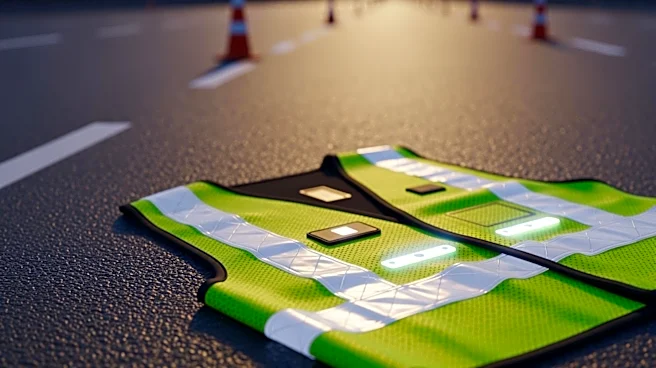
In Maryland, highway work crews are testing new wearable technology designed to improve safety by alerting workers to approaching vehicles and other hazards. This initiative, a collaboration between Morgan State University, the city of Baltimore, and the Maryland Department
of Transportation, employs lidar sensors and a predictive algorithm to provide multi-sensory alerts. The system aims to reduce accidents in work zones by enhancing worker awareness and response to potential dangers.
Why It's Important?
The introduction of wearable technology in highway safety represents a significant advancement in protecting workers in hazardous environments. By reducing the risk of accidents, this technology can save lives and prevent injuries, leading to safer working conditions. The success of this pilot project could encourage broader adoption of similar technologies across the U.S., potentially transforming safety protocols in construction and other high-risk industries. It also highlights the role of innovation in addressing public safety challenges.
What's Next?
Following the pilot, further testing and refinement of the technology are planned to ensure its effectiveness in various real-world settings. If successful, the system could be implemented more widely, influencing safety standards and regulations. The project aligns with National Work Zone Awareness Week, emphasizing the importance of safety in construction zones. Continued collaboration between public agencies and private firms will be crucial in advancing these technologies and improving worker safety nationwide.