




What's Happening?
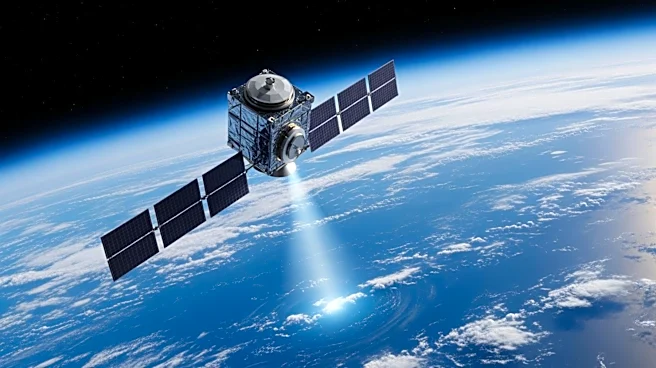
NASA has repurposed a mission originally designed to study dust to track plastic pollution from space. This initiative is part of a broader effort to understand the distribution and impact of plastic waste on the environment. Climatologist Marina Jurica
explains that the Jet Propulsion Laboratory (JPL) is using satellite technology to monitor plastic pollution, providing valuable data on its spread and concentration. This approach allows scientists to observe plastic pollution on a global scale, offering insights into its environmental impact.
Why It's Important?
Tracking plastic pollution from space represents a significant advancement in environmental monitoring. This technology provides a comprehensive view of plastic waste distribution, which is crucial for developing effective mitigation strategies. The data collected can inform policy decisions and help prioritize areas for cleanup and intervention. By understanding the extent of plastic pollution, governments and organizations can better allocate resources and develop targeted solutions to address this global issue.
What's Next?
The use of satellite technology to track plastic pollution is expected to enhance research and policy efforts aimed at reducing plastic waste. The data collected will likely be used to support international agreements and initiatives focused on plastic pollution. As the technology develops, it may lead to more precise tracking and identification of pollution sources, enabling more effective interventions. The initiative could also inspire further innovations in environmental monitoring and data analysis.