


What's Happening?
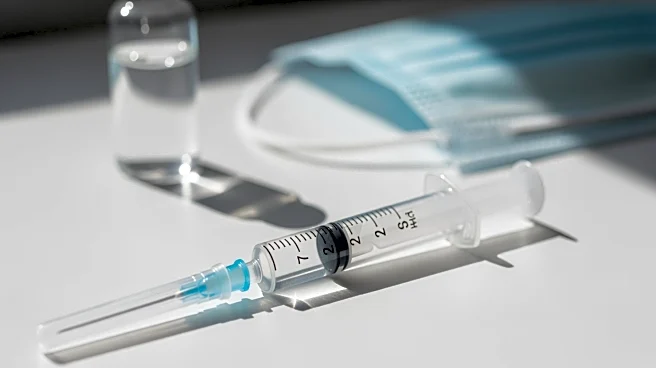
The Indiana House has passed a bill to extend the state's syringe exchange programs for another five years, with new restrictions. The programs, initially authorized in 2015, aim to reduce disease spread among intravenous drug users. The House's version
of the bill requires participants to show residency identification and limits needle exchanges to a one-for-one basis. Additionally, needle distribution is restricted within 1,000 feet of schools, daycares, or religious buildings without permission. The bill now awaits final agreement with the Senate, which previously supported a 10-year extension with fewer restrictions.
Why It's Important?
The extension of Indiana's needle exchange programs is crucial for public health, as these programs have been effective in reducing the spread of diseases like HIV. The new restrictions aim to address concerns about enabling drug use and the environmental impact of discarded needles. However, the programs also provide critical referrals to addiction treatment and health services, highlighting the balance between public health benefits and community concerns. The decision reflects ongoing debates about harm reduction strategies in addressing the opioid crisis.
What's Next?
The bill requires final approval from the Indiana Senate, which may involve negotiations to reconcile differences between the House and Senate versions. If enacted, the programs will continue until 2031, with ongoing monitoring of their impact on public health and community safety. Stakeholders, including public health officials and community leaders, will likely continue to evaluate the effectiveness and implications of the new restrictions.