





What's Happening?
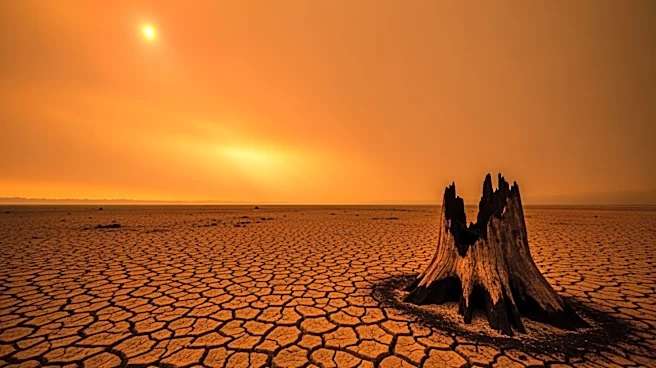
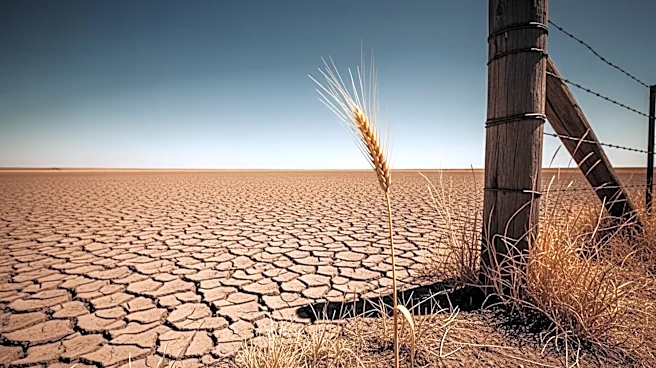
Farmers in the Great Plains are facing severe drought conditions that threaten winter wheat harvests and cattle production. The drought, covering nearly 90% of Nebraska and Oklahoma, has led to a decline in wheat crop quality and forced cattle producers
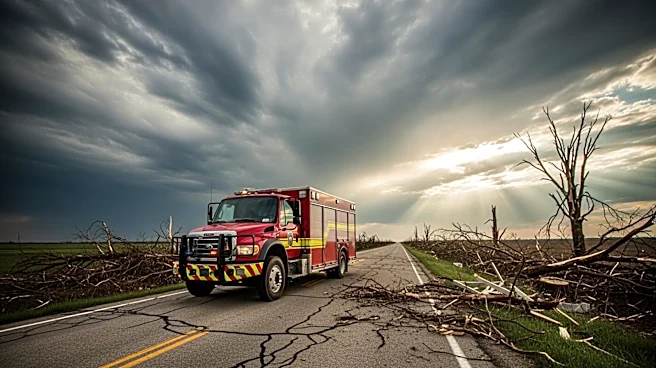
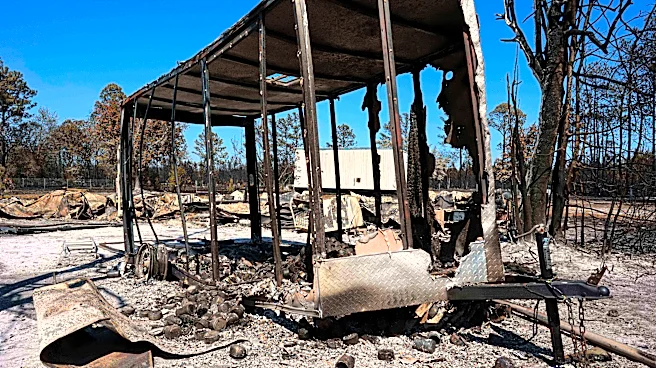
to consider selling off herds due to high feed costs. The situation is exacerbated by a La Niña winter, which has left the region unusually dry. The drought has also contributed to wildfires, further impacting agricultural operations. Farmers are under pressure as fertilizer prices rise, and the lack of moisture threatens to reduce crop yields significantly.
Why It's Important?
The drought in the Great Plains is a critical issue for the U.S. agricultural sector, particularly for wheat and cattle producers. The region is a major contributor to the nation's wheat supply, and reduced yields could impact food prices and availability. The cattle industry is also at risk, with potential long-term effects on herd sizes and meat prices. The economic pressure on farmers is compounded by rising input costs, making it difficult for them to sustain operations. The situation highlights the vulnerability of agriculture to climate variability and the need for adaptive strategies.
What's Next?
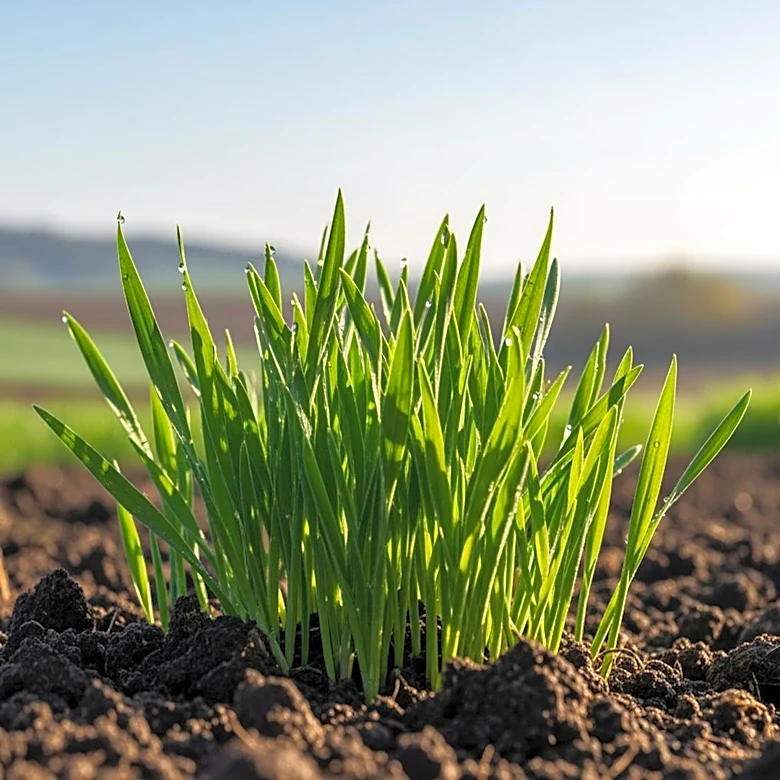
Farmers and agricultural organizations are likely to seek relief measures and support from government programs to mitigate the impact of the drought. Efforts to provide alternative feed and resources to affected cattle producers are underway. The development of El Niño later in the year may bring some relief, but the timing may be too late for the current growing season. Long-term strategies to improve water management and drought resilience will be crucial for the region's agricultural sustainability.