






What's Happening?
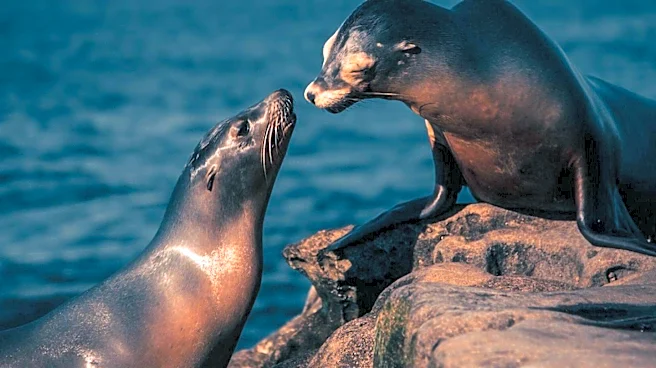
San Diego's La Jolla Cove, a popular tourist destination, is facing a potential temporary closure to humans after a viral video showed a teenager kicking a sea lion. Tyler Muehl, 18, pleaded guilty in federal court to violating the Marine Mammal Protection
Act following the incident. Despite existing warning signs and a seawall, tourists and locals frequently disregard rules to maintain distance from the marine mammals, especially during their pupping season. Officials, including California Coastal Commission members Ann Notthoff and Matt O’Malley, are advocating for a temporary shutdown of the cove, drawing inspiration from Monterey County's approach where beaches are closed when sea lions are present for pupping. The city attorney is also exploring legal avenues to empower lifeguards and park rangers to issue fines for violations, aiming for a long-term solution to protect the sea lion population.
Why It's Important?
The incident at La Jolla Cove highlights the escalating conflict between human recreational activities and wildlife protection in popular natural areas. The potential closure of a significant tourist attraction underscores the severity of human impact on marine ecosystems and the need for stricter enforcement of wildlife protection laws. The Marine Mammal Protection Act, violated in this case, is crucial for safeguarding marine animals, and the federal prosecution of the teenager sends a strong message about accountability. This situation could set a precedent for how coastal communities manage human-wildlife interactions, potentially leading to more restrictive access policies in other sensitive areas. The economic implications for San Diego's tourism industry, should the cove be closed, also bring to light the delicate balance between conservation efforts and local economies dependent on natural attractions.
What's Next?
Officials are actively pursuing a temporary shutdown of La Jolla Cove to protect sea lions during their pupping season, with a decision expected soon. Concurrently, the San Diego city attorney is working to grant lifeguards and park rangers the authority to issue fines for violations of wildlife protection rules, aiming to establish a more robust enforcement mechanism. The long-term plan for managing human-sea lion interactions at the cove is still under development, potentially involving permanent changes to access or increased educational initiatives. The outcome of these discussions and actions could influence policies at other coastal sites across California and the U.S. where human presence impacts marine wildlife. The community will be watching closely to see how San Diego balances tourism interests with its responsibility to protect its natural inhabitants.
Beyond the Headlines
The incident at La Jolla Cove transcends a simple case of animal harassment; it reflects a broader societal challenge regarding respect for wildlife and the natural environment. The viral video and subsequent public outrage underscore the power of social media in raising awareness and demanding accountability for actions against animals. This event prompts a deeper examination of human behavior in natural settings, particularly the tendency to disregard regulations designed for ecological preservation. It also highlights the ethical considerations of ecotourism and the responsibility of visitors to minimize their footprint. The debate over closing public spaces for wildlife protection touches on fundamental questions about land use, public access, and the intrinsic value of biodiversity. The resolution at La Jolla Cove could serve as a model or a cautionary tale for other communities grappling with similar human-wildlife conflicts, influencing environmental education and conservation strategies nationwide.