





What's Happening?
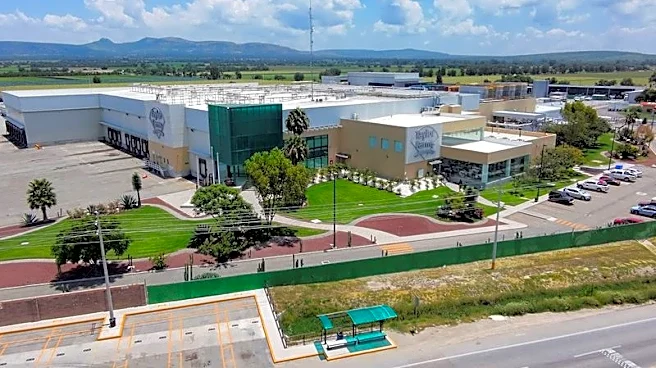
The West Seattle Food Bank has reported an increase in produce donations due to consumer fears surrounding a cyclospora outbreak linked to iceberg lettuce from Taylor Farms. Despite the U.S. Food and Drug Administration (FDA) clarifying that a test result
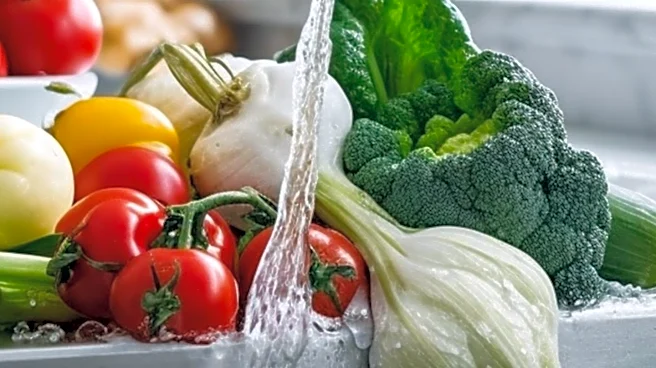
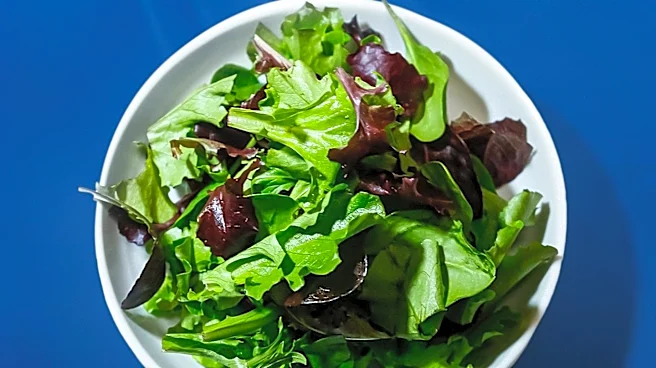
connecting the lettuce to the outbreak was a 'false positive,' consumer apprehension persists. This has led to retailers struggling to sell certain fresh produce, resulting in more donations to food banks. The food bank engages in 'grocery rescue,' acquiring food that retailers cannot sell due to over-purchasing or strict cosmetic standards. This influx includes prepared salad greens and other produce not directly implicated in the outbreak. The food bank ensures that all distributed products meet quality standards and are not part of any recall.
Why It's Important?
The situation highlights the impact of food safety scares on consumer behavior and the food supply chain. Retailers face challenges in selling fresh produce, leading to increased donations to food banks. This can benefit food-insecure populations by providing access to fresh produce, which is often expensive. However, it also underscores the need for effective communication and management of food safety issues to prevent unnecessary waste and economic loss. The incident reflects broader concerns about food safety and consumer trust, which can have significant implications for the agricultural and retail sectors.
What's Next?
As the West Seattle Food Bank continues to distribute the increased produce donations, it may face challenges in managing consumer perceptions and ensuring that the food is utilized before its sell-by date. The food bank's approach of allowing clients to choose their food may help mitigate concerns, but ongoing education and communication about food safety will be crucial. Retailers and food producers may need to enhance transparency and safety measures to rebuild consumer confidence. Additionally, the FDA and other regulatory bodies may review their communication strategies to better address public concerns during food safety incidents.
Beyond the Headlines
The cyclospora outbreak and subsequent consumer reactions highlight the complex dynamics between food safety, consumer trust, and food waste. The incident may prompt discussions on improving food safety protocols and the role of food banks in addressing food insecurity. It also raises questions about the sustainability of current food distribution practices and the potential for systemic changes to reduce waste and enhance food security. The situation could lead to increased collaboration between retailers, food banks, and regulatory agencies to develop more resilient and transparent food systems.