







What's Happening?
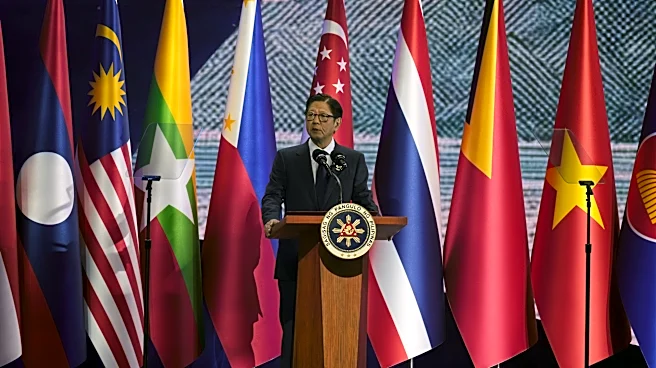
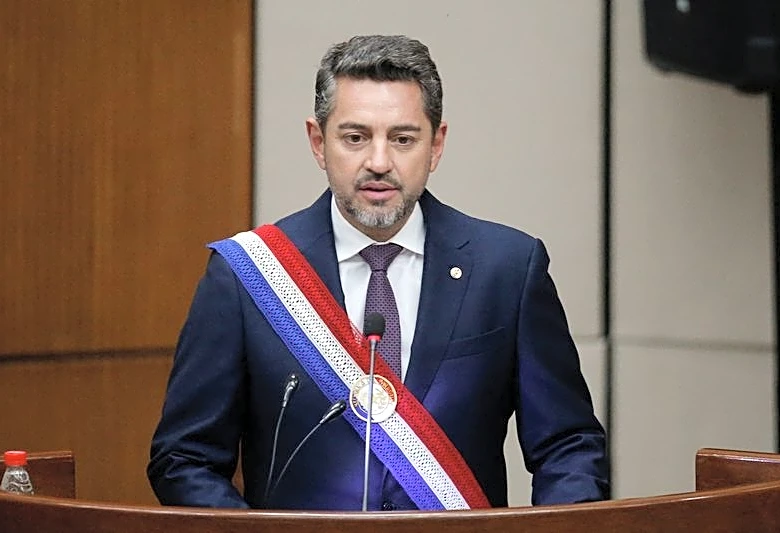
Singapore has officially joined the Treaty Concerning the Permanent Neutrality and Functioning of the Panama Canal. This adherence was announced on October 5 during an official visit by Panamanian President José Raúl Mulino to Asia, where he met with
Singapore's Prime Minister Lawrence Wong. The treaty, originally signed on September 7, 1977, by Panama and the United States as part of the Torrijos-Carter agreements, aims to ensure the interoceanic waterway remains open for peaceful transit to vessels of all nations, under conditions of equality and without discrimination, in both peace and wartime. Singapore's integration into this pact reinforces the international commitment to maintaining the canal's neutrality and its crucial role in global trade and navigation.
Why It's Important?
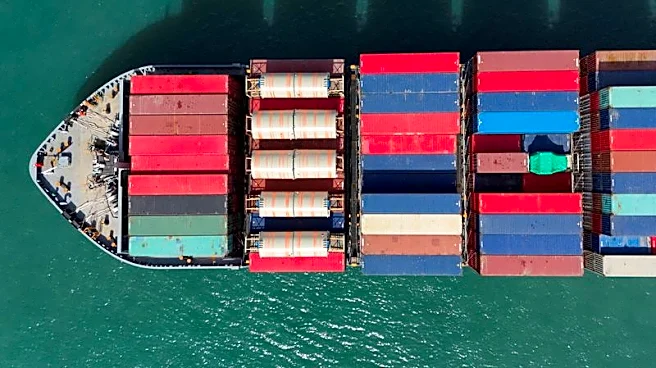
Singapore's official adherence to the Panama Canal Neutrality Treaty is a significant development for international maritime trade and global logistics. As a major global shipping hub itself, Singapore's commitment to the treaty underscores the canal's enduring importance to worldwide commerce. This move strengthens the international legal framework protecting the canal, ensuring its continued reliable operation for all nations. For the U.S., which historically played a pivotal role in the canal's construction and initial operation, this expanded international commitment helps safeguard a critical artery for its own trade and naval movements. The treaty's principle of non-discrimination and equal access is vital for maintaining stable supply chains and reducing geopolitical risks associated with this strategic waterway. The increased international backing for the canal's neutrality benefits all stakeholders reliant on efficient global shipping.
What's Next?
Singapore's formal adherence is expected to further solidify the international consensus around the Panama Canal's neutral status. This could encourage other nations, particularly those with significant maritime interests, to reaffirm their support for the treaty or consider similar formal commitments. The move also highlights Panama's ongoing diplomatic efforts to strengthen its position as a key player in global trade and logistics. Future discussions may focus on how to enhance the canal's operational efficiency and security, especially in light of increasing global trade volumes and evolving geopolitical landscapes. The U.S. will likely view this as a positive step in maintaining stability and predictability in international shipping, potentially leading to closer cooperation with signatory nations on maritime security and trade facilitation.
Beyond the Headlines
Singapore's decision to join the Panama Canal Neutrality Treaty carries symbolic weight beyond its immediate practical implications. It signifies a shared understanding among key maritime nations of the importance of maintaining open and neutral global commons for trade. In an era of increasing geopolitical competition and potential disruptions to international supply chains, such agreements become even more critical. This adherence reinforces the idea that vital global infrastructure, like the Panama Canal, should operate under a framework of international cooperation rather than being subject to unilateral control or political leverage. It also reflects a broader trend of nations seeking to secure and diversify their trade routes, recognizing the interconnectedness of global economies and the need for resilient maritime pathways.