






What's Happening?
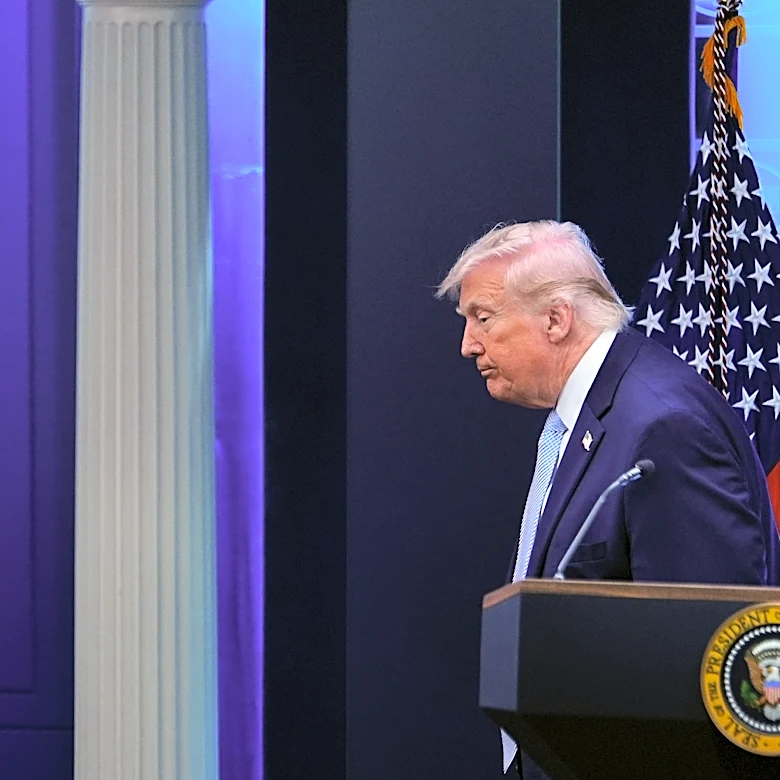
President Trump has issued a stern ultimatum to Iran, threatening to destroy key civilian infrastructure, including bridges and power plants, if a deal is not reached by 8 PM on Tuesday. This announcement comes amidst heightened tensions between the U.S.
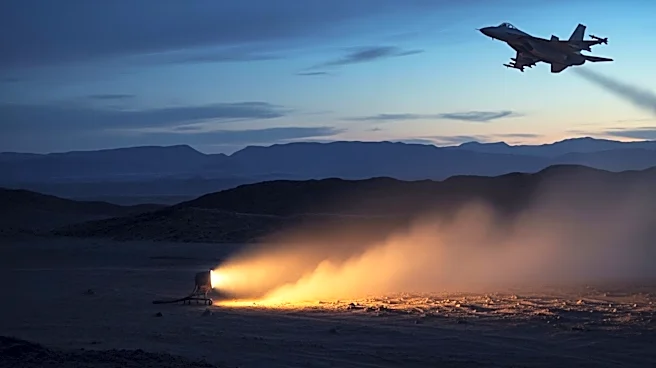
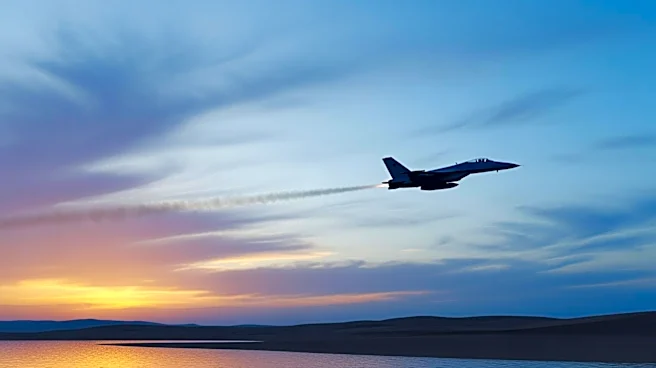
and Iran, with the President emphasizing the potential military action as a means to pressure Iran into negotiations. The situation has escalated following the rescue of American F-15 crew members stranded in Iran, adding urgency to the diplomatic standoff. The President's statement has drawn attention to the potential humanitarian impact on the Iranian population, as the destruction of infrastructure could severely affect daily life and economic stability in the region.
Why It's Important?
The threat of military action against Iran's infrastructure by President Trump marks a significant escalation in U.S.-Iran relations, potentially impacting global political dynamics and economic markets. Such a move could lead to increased instability in the Middle East, affecting oil prices and international trade. The ultimatum also raises concerns about the humanitarian consequences for Iranian civilians, who could face disruptions in essential services. This development underscores the broader geopolitical tensions and the challenges of diplomatic negotiations in resolving international conflicts. The situation is being closely monitored by global leaders and international organizations, given its potential to influence regional security and economic conditions.
What's Next?
As the deadline approaches, diplomatic efforts may intensify to avert military action and reach a resolution. The international community, including allies and adversaries, may engage in back-channel communications to de-escalate the situation. Potential responses from Iran could include diplomatic overtures or military preparations, depending on the perceived threat level. The U.S. Congress and other political stakeholders may also weigh in, influencing the administration's approach. The outcome of this standoff could set a precedent for future U.S. foreign policy and its approach to international negotiations.