







What's Happening?
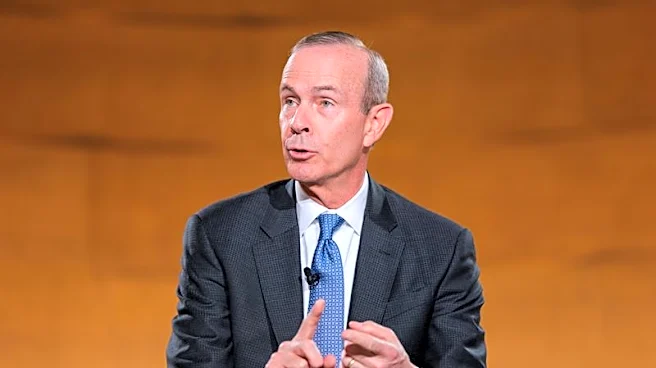
During the Milken Institute's Global Conference in Los Angeles, a panel of leaders from major philanthropic foundations discussed the future of philanthropy. The panel, titled 'Investing in Hope: Philanthropy for What’s Next,' included representatives
from the McKnight Foundation, MacArthur Foundation, Blackstone Charitable Foundation, Mastercard Center for Inclusive Growth, and the Bill & Melinda Gates Foundation. The discussion emphasized the need for greater collaboration and a shift from a 'fixer' to a 'builder' mindset in philanthropy. Panelists highlighted the potential for increased generosity from ultra-wealthy individuals, given their significant wealth growth over the past decade. They also addressed the growing skepticism towards large institutions, including philanthropy, and the need to demonstrate measurable outcomes that positively impact lives.
Why It's Important?
The call for increased collaboration and generosity in philanthropy is significant as it addresses the growing economic and social challenges faced globally and nationally. With the wealth gap widening, the role of philanthropy becomes crucial in addressing issues that government and private sectors may not fully tackle. The emphasis on a 'builder' mindset suggests a long-term approach to problem-solving, which could lead to more sustainable solutions. Additionally, the discussion reflects a broader trend of institutional distrust, highlighting the need for transparency and accountability in philanthropic efforts. This shift could influence how philanthropic organizations operate and collaborate, potentially leading to more impactful and innovative solutions to societal challenges.
What's Next?
The panelists suggested that philanthropic organizations should increase their payout floors to address the growing needs effectively. This could lead to more funds being directed towards pressing issues, such as education, healthcare, and economic opportunities. The discussion also pointed to the potential for philanthropy to play a more significant role in responding to rapid changes driven by political instability, economic uncertainty, and technological advancements like artificial intelligence. As these changes continue to unfold, philanthropic organizations may need to adapt their strategies and collaborate more closely with other sectors to maximize their impact.