
What's Happening?
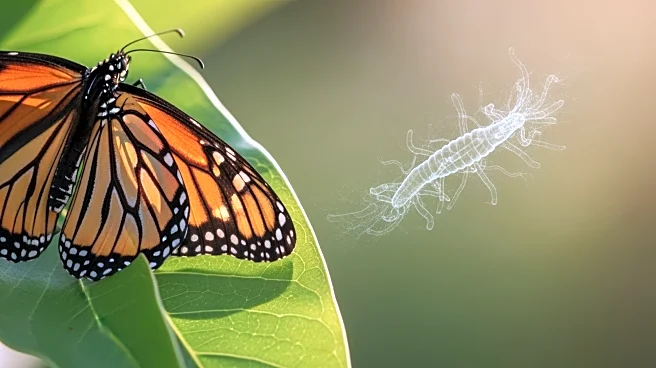
A recent study published in the Royal Entomological Society Journal has found that extreme heat, a symptom of climate change, is making monarch butterflies more susceptible to a debilitating parasite.
The research, led by Sonia Altizer, a professor of entomology at the University of Georgia, highlights how climate warming affects plant quality, which in turn impacts the nutrition and immune defense of insect herbivores like monarch butterflies. Historically, only about 2-5% of monarchs across North America were infected with this protozoan parasite. However, since 2002, the infection rate has increased to 10-15%. The study found that monarchs exposed to elevated temperatures were 22% less tolerant of infection, and the parasites thrived under these hotter conditions, infecting more monarchs than anticipated. The role of milkweed, the sole food source for monarchs, was also significant. Milkweed plants produce toxins that protect monarchs from parasites, but rising temperatures have reduced these protective effects.
Why It's Important?
The findings of this study are significant as they underscore the broader impacts of climate change on biodiversity and ecosystem health. Monarch butterflies are a key species in North American ecosystems, and their decline could have cascading effects on other species and ecological processes. The increase in parasite infections due to rising temperatures could further threaten the already declining monarch populations, which are crucial for pollination. This research highlights the need for conservation efforts that address climate change and its impact on wildlife. Understanding the pathways through which climate change affects host-parasite interactions is crucial for developing strategies to mitigate these effects and protect vulnerable species like the monarch butterfly.
What's Next?
The research team plans to continue studying the effects of climate change on monarch butterflies and their interactions with parasites. Future research will focus on understanding why the medicinal effects of milkweed toxins diminish under higher temperatures and mapping these findings onto real-world temperature changes. The goal is to predict future disease scenarios for monarchs under different warming conditions. This ongoing research is vital for informing conservation strategies and ensuring the survival of monarch butterflies in a changing climate.