
What's Happening?
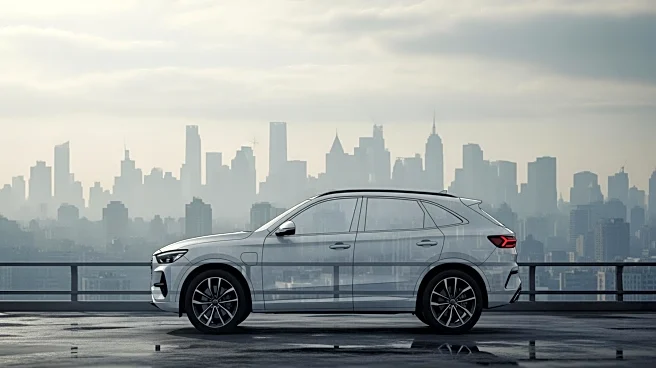
The increasing popularity of Sports Utility Vehicles (SUVs) is raising concerns about their environmental impact and the challenges they pose to urban infrastructure. SUVs, which are larger and heavier
than traditional cars, now dominate global car sales, including in the electric vehicle market. This trend is driven by consumer preferences for comfort, safety, and status. However, the size and weight of SUVs lead to higher energy consumption, larger battery requirements, and increased emissions. These vehicles also contribute to urban issues such as congestion, parking difficulties, road damage, and safety concerns.
Why It's Important?
The rise of SUVs has significant implications for environmental sustainability and urban planning. Heavier vehicles consume more resources and produce more emissions, counteracting efforts to reduce carbon footprints and combat climate change. The trend also poses challenges for cities, which must adapt to accommodate larger vehicles, potentially requiring changes in infrastructure and traffic management. The popularity of SUVs highlights the tension between consumer preferences and environmental goals, raising questions about the role of government regulations and incentives in shaping sustainable transportation choices.
What's Next?
As the demand for SUVs continues, there may be increased pressure on governments and manufacturers to address their environmental impact. This could involve stricter emissions standards, incentives for smaller and more efficient vehicles, or investments in public transportation alternatives. Urban planners may need to consider infrastructure adaptations to manage the challenges posed by larger vehicles. The ongoing debate about the balance between consumer choice and environmental responsibility is likely to intensify, influencing future transportation policies and market trends.