

What's Happening?
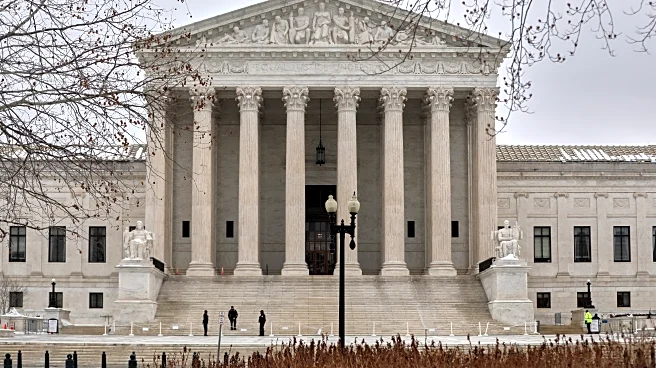
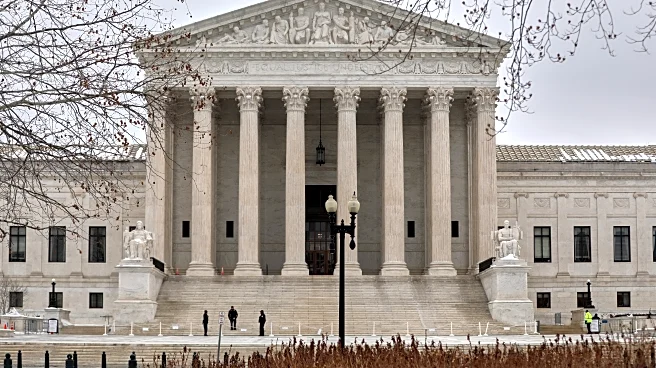
President Donald Trump has publicly criticized the U.S. Supreme Court's decision to strike down his global tariffs, which were deemed to exceed his authority under the International Emergency Economic Powers Act. The court's ruling stated that the act
does not authorize the President to impose such tariffs. In response, President Trump announced plans to implement a new 10% levy on global imports under a different legal statute. This move highlights the ongoing tension between the executive branch and the judiciary over the scope of presidential powers in economic matters.
Why It's Important?
The Supreme Court's decision and President Trump's subsequent actions underscore the ongoing debate over the limits of presidential authority in economic policy. The ruling serves as a check on executive power, reinforcing the judiciary's role in interpreting the law and maintaining the balance of power among government branches. For businesses and international trade partners, the uncertainty surrounding U.S. tariff policies could lead to market volatility and impact global trade relations. The new tariffs proposed by President Trump may also provoke retaliatory measures from other countries, potentially escalating trade tensions.
What's Next?
The implementation of new tariffs by President Trump is likely to face legal challenges and scrutiny from both domestic and international stakeholders. Businesses affected by the tariffs may seek legal recourse, while trade partners could respond with their own tariffs or seek resolution through international trade organizations. The U.S. Congress may also become involved, potentially proposing legislation to clarify or limit the President's tariff authority. The situation will require careful navigation to avoid further economic disruption and maintain stable international trade relations.