



What's Happening?
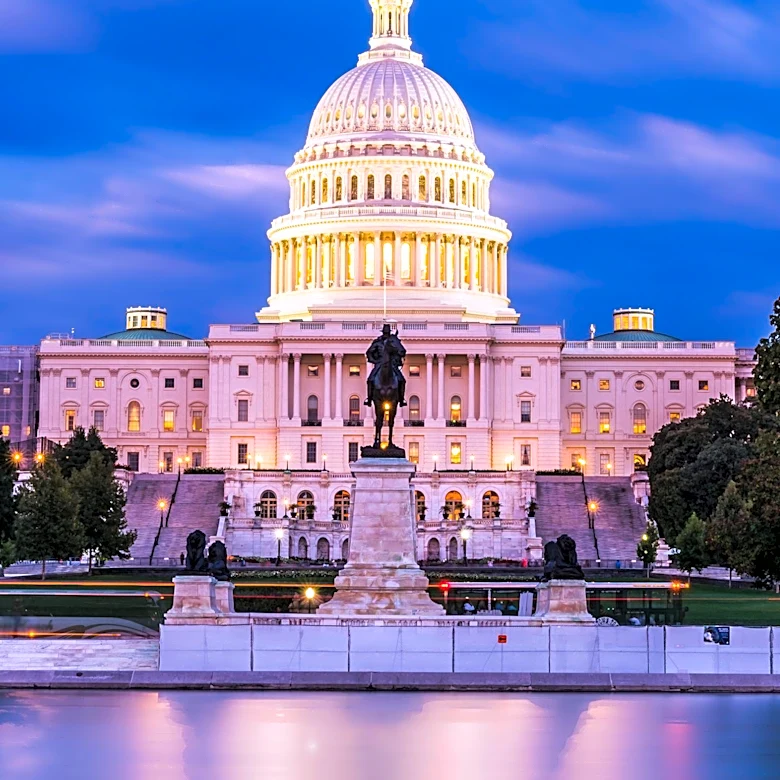
Congressman Mike Haridopolos, alongside a bipartisan group of Congress members including Reps. Brian Mast (R-FL), Rick Larsen (D-WA), and Suzanne Bonamici (D-OR), has introduced a resolution to officially recognize National Estuaries Week. This resolution aims
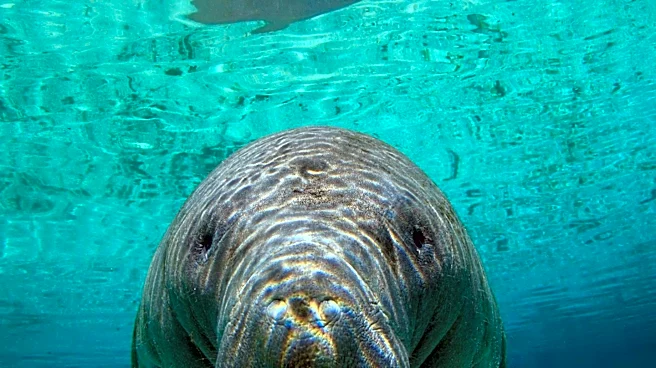
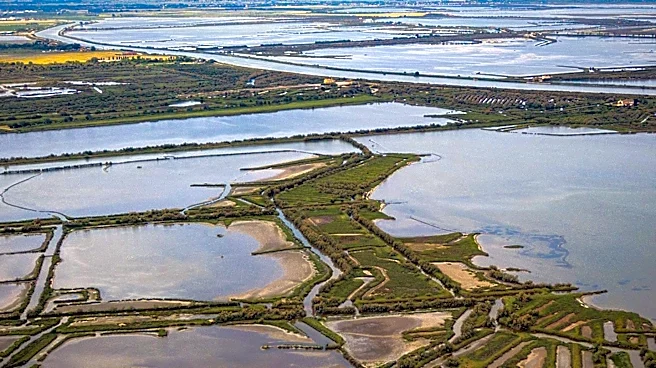
to highlight estuaries as critical habitats and ecosystems for various wildlife, including birds, fish, and endangered species. While National Estuaries Week has been celebrated informally for years, this resolution provides official congressional recognition. Haridopolos and his colleagues are also advocating for the reauthorization of key coastal resilience bills, such as the Enhancing Scientific, Treatment, and Upkeep of America’s Resilient and Important Estuarine Systems (ESTUARIES) Act and the Resilient Coasts and Estuaries Act, which support programs like the National Estuary Program (NEP), Coastal and Estuarine Land Conservation Programs (CELP), and National Estuarine Research Reserves System (NERRS).
Why It's Important?
The official recognition of National Estuaries Week and the push for reauthorization of coastal resilience bills are crucial for the protection and restoration of vital U.S. coastal ecosystems. Estuaries serve as critical nurseries for marine life, provide natural buffers against storms, and support significant economic activities like fishing and tourism. The reauthorization of programs like NEP, CELP, and NERRS ensures continued federal funding and support for conservation efforts, scientific research, and community-led initiatives to manage and improve water quality and habitat. This legislative action underscores the growing awareness of climate change impacts and the importance of resilient coastal infrastructure. Protecting these habitats benefits not only wildlife but also coastal communities by enhancing flood resilience and supporting local economies, making it a significant issue for environmental policy and economic stability.
What's Next?
The resolution for National Estuaries Week will proceed through the legislative process, aiming for official congressional recognition. Concurrently, the ESTUARIES Act, which has already passed the House, is included in the Senate's version of the Water Resources Development Act and will require Senate approval. The Resilient Coasts and Estuaries Act also needs reauthorization to ensure the continuation of critical programs like CELP and NERRS. Advocacy efforts will focus on urging Senators to support these bills to secure long-term funding and enhancement for coastal protection. The reauthorization of the Great Lakes Restoration Initiative (GLRI) is also a priority, with Audubon urging the Senate to act before its expiration. These legislative actions will determine the future of federal support for estuarine and coastal conservation across the nation.
Beyond the Headlines
The bipartisan effort led by Congressman Haridopolos and others to protect estuaries reflects a broader understanding of the interconnectedness of environmental health, economic well-being, and national security. Estuaries are not just ecological hotspots; they are also critical components of the nation's natural defense system against rising sea levels and increasingly severe weather events. The legislative push highlights a shift towards proactive, nature-based solutions for climate resilience. Furthermore, the emphasis on reauthorizing existing programs rather than creating new ones suggests a strategy of strengthening proven conservation models. This approach could foster greater collaboration between federal agencies, state and local governments, and non-profit organizations, leading to more integrated and effective coastal management strategies. The long-term implications include enhanced biodiversity, more resilient coastal communities, and sustained economic benefits from healthy marine ecosystems.