


What's Happening?
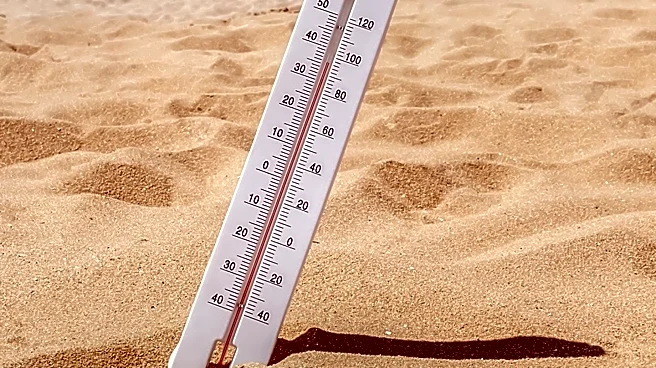
The BBC Audio program 'The Inquiry' recently aired an episode titled 'Can we live with extreme heat?' which delves into the increasing frequency of extreme heatwaves worldwide. The episode highlights the impact of these heatwaves on human health, economies,
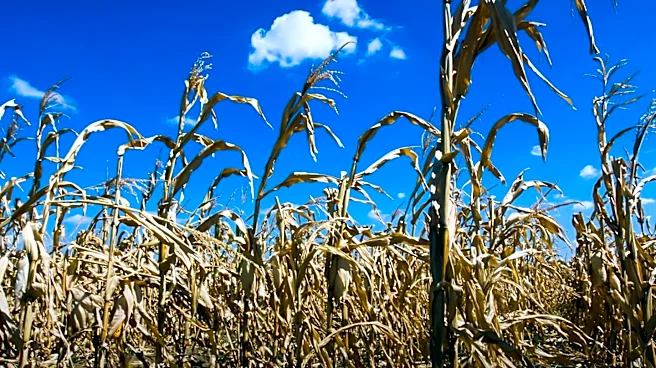
and urban environments. Experts such as Prof Ollie Jay from the University of Sydney, Lindiwe Majele Sibanda from the National University of Science & Technology in Zimbabwe, Winston Chow from Singapore Management University, and Diana Liverman from the University of Arizona contribute insights into the challenges posed by extreme heat. The discussion covers the effects on human health, including heat stroke and dehydration, as well as economic impacts like droughts affecting farming communities. The program also examines how urban areas can exacerbate heat effects and how existing societal inequalities are further exposed by these conditions.
Why It's Important?
The increasing frequency of extreme heatwaves poses significant challenges for public health, economic stability, and urban planning. As these heatwaves become more common, they threaten to overwhelm healthcare systems with heat-related illnesses and exacerbate existing health disparities. Economically, the impact on agriculture due to drought conditions can lead to food shortages and increased prices, affecting both local and global markets. Urban areas, with their heat-retaining infrastructure, face heightened risks, necessitating redesigns to mitigate heat effects. The episode underscores the need for comprehensive strategies to adapt to these changes, highlighting the importance of sustainable farming practices and urban planning innovations. Addressing these challenges is crucial for minimizing the adverse effects on vulnerable populations and ensuring resilience against future climate extremes.
What's Next?
The program suggests that while there are existing models and strategies to combat extreme heat, such as sustainable farming and urban redesigns, more comprehensive and widespread implementation is necessary. Cities and governments are encouraged to take proactive measures to address the imbalances caused by extreme heat. This includes investing in infrastructure that can withstand higher temperatures and implementing policies that protect vulnerable populations. The discussion also points to the need for international cooperation and knowledge sharing to develop effective solutions. As climate change continues to drive temperature extremes, ongoing research and policy development will be critical in adapting to and mitigating the impacts of extreme heat.
Beyond the Headlines
The episode also touches on the ethical and social dimensions of extreme heat, particularly how it exacerbates existing inequalities. Vulnerable populations, including low-income communities and those in developing regions, are disproportionately affected due to limited access to resources and adaptive infrastructure. This raises questions about climate justice and the responsibility of wealthier nations to support global adaptation efforts. Additionally, the cultural implications of changing climates, such as shifts in traditional agricultural practices and lifestyle adaptations, are explored. These deeper implications highlight the need for inclusive and equitable approaches to climate adaptation that consider the diverse needs and capacities of different communities.