







What's Happening?
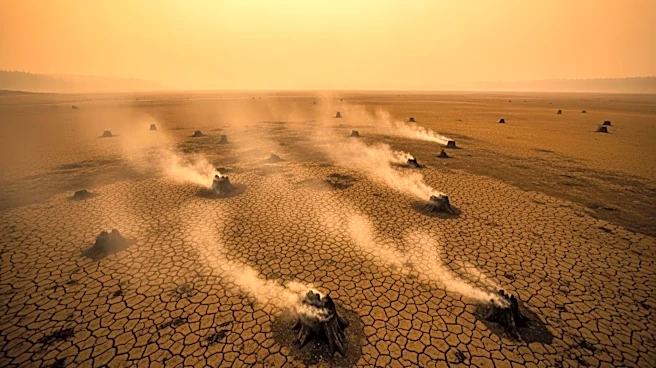
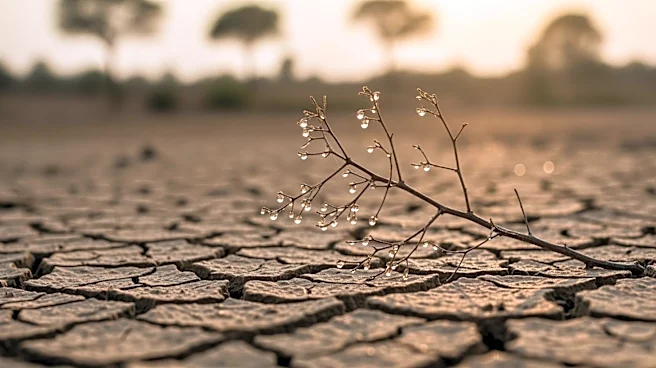
In Ethiopia, the myrrh tree, a critical component in luxury perfumes, is facing severe threats due to a historic drought. The trees, located in the Somali region, are suffering from a lack of water and are being damaged by starving livestock. Researchers
from the American Herbal Products Association have visited the area to assess the situation and ensure that local harvesters receive fair profits from the resin. Myrrh, traditionally harvested from naturally occurring wounds on trees, is a significant source of income for local communities. However, the drought has led to reduced resin production and fewer young trees surviving. The resin is sold at low prices to traders, while the perfumes made from it are marketed by high-end brands at much higher prices.
Why It's Important?
The situation in Ethiopia highlights the vulnerability of natural resources to climate change and its impact on local economies. Myrrh is not only a key ingredient in luxury perfumes but also a vital source of income for many Ethiopian communities. The drought threatens the sustainability of myrrh harvesting, which could lead to economic hardship for those who rely on it. Additionally, the global perfume industry could face challenges in sourcing high-quality myrrh, potentially affecting product availability and pricing. The crisis underscores the need for sustainable practices and fair trade to ensure that local harvesters benefit from their labor.
What's Next?
Efforts are underway to improve the visibility and market access for Ethiopian myrrh harvesters, which could help them secure better prices and sustainable livelihoods. Researchers are advocating for traditional harvesting methods that protect the trees and ensure high-quality resin production. As the climate crisis continues to threaten the region, there is a pressing need for international support and investment in sustainable practices to preserve the myrrh trees and the communities that depend on them.
Beyond the Headlines
The plight of the myrrh trees in Ethiopia raises broader questions about the ethical sourcing of natural resources and the impact of climate change on vulnerable communities. The disparity between the profits made by luxury brands and the earnings of local harvesters highlights the need for more equitable supply chains. Additionally, the growing interest in natural remedies could provide new opportunities for myrrh beyond the perfume industry, potentially offering alternative income streams for local communities.