






What's Happening?
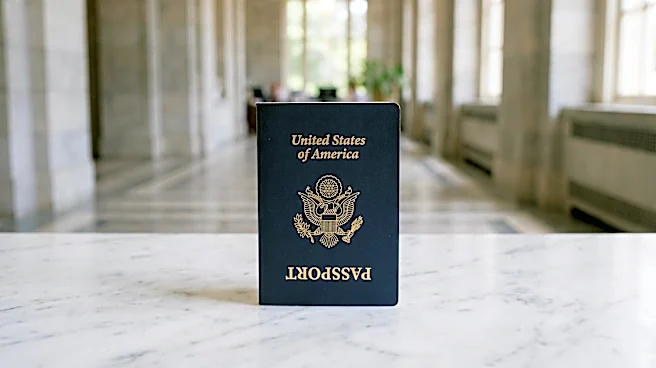
The U.S. State Department has initiated a pilot program to broaden online passport application access. This new initiative allows certain first-time passport applicants and other individuals who are not eligible for the existing online renewal process
to apply for a passport online. The pilot program, which commenced on November 16, 2026, is scheduled to run through November 20, 2027. Applicants can access the online application through America.gov. The process involves answering a series of eligibility questions on the website. If deemed eligible, applicants will be directed to Login.gov for identity verification before returning to America.gov to complete and submit their Form DS-11 application. This temporary program aims to test an online version of Form DS-11, expanding digital access beyond the current online passport renewal system. Those found ineligible for the pilot will be guided to alternative application methods.
Why It's Important?
This pilot program represents a significant step towards modernizing and streamlining the U.S. passport application process. By extending online application capabilities to first-time applicants and those previously excluded from online renewals, the State Department aims to enhance convenience and accessibility for a broader segment of the population. This could reduce processing times, decrease the administrative burden on physical passport agencies, and improve overall customer experience. For U.S. citizens, particularly those living in remote areas or with limited access to passport acceptance facilities, this digital expansion offers a more efficient way to obtain essential travel documents. The success of this pilot could pave the way for permanent changes, potentially influencing future government digital service initiatives and setting a precedent for other agencies to adopt similar online platforms.
What's Next?
The pilot program will continue until November 20, 2027, during which time the State Department will likely gather data on its effectiveness, user experience, and operational efficiency. Following the conclusion of the pilot, the department will evaluate the results to determine the feasibility of a permanent expansion of online passport application services. This evaluation will consider factors such as security, system capacity, and user feedback. If successful, the program could lead to the full integration of online DS-11 applications into the standard passport services, potentially reducing the need for in-person visits or mail-in applications for many individuals. Stakeholders, including travel industry groups and technology providers, will be closely watching the outcomes, as a fully digital passport application system could have broader implications for travel and identity verification processes.
Beyond the Headlines
The expansion of online passport applications touches upon broader themes of digital government transformation and identity management in the digital age. While offering convenience, it also raises questions about digital equity, ensuring that individuals without reliable internet access or digital literacy are not disadvantaged. The reliance on Login.gov for identity verification highlights the ongoing efforts to create secure and standardized digital identity solutions across federal services. Furthermore, the pilot could serve as a model for other government agencies looking to digitize complex application processes, potentially influencing the future of how U.S. citizens interact with various government services. The long-term implications could include enhanced data security measures, improved fraud detection capabilities, and a more integrated approach to citizen services, moving towards a more paperless and efficient bureaucratic system.