








What's Happening?
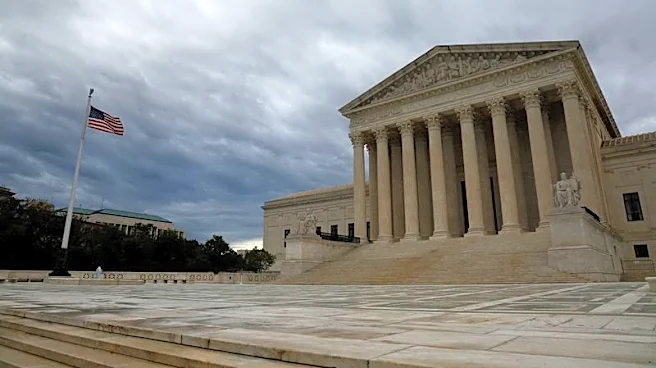
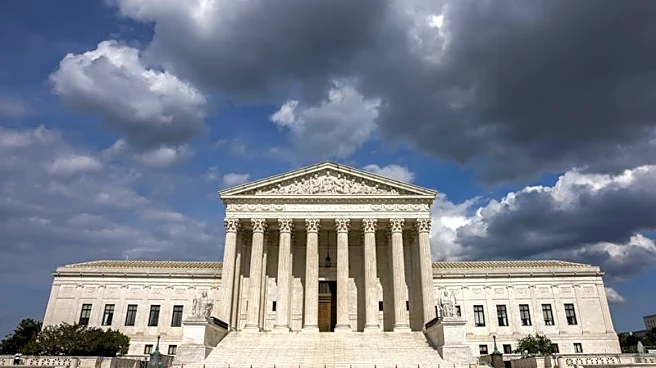
The U.S. Supreme Court has ruled in favor of President Trump, granting him the authority to dismiss leaders of independent agencies, a decision that overturns nearly a century of legal precedent. This ruling emerged from the case Trump v. Slaughter, where
the court decided that the president could remove agency heads without cause, a move that critics argue undermines the independence of these bodies. The decision has been met with significant backlash from labor advocates, unions, and consumer groups who fear it could lead to increased political interference in agency operations. Justice Sonia Sotomayor, in her dissent, criticized the ruling as a departure from established constitutional principles, warning of potential chaos and increased executive power.
Why It's Important?
This ruling is significant as it shifts the balance of power towards the executive branch, potentially allowing for greater political influence over independent agencies. These agencies, designed to operate free from political pressure, play crucial roles in regulating industries and enforcing laws. The decision could lead to a restructuring of how these agencies function, impacting their ability to operate with integrity and independence. Critics argue that this could erode democratic safeguards and increase the risk of corruption, as agency leaders may now be more susceptible to political pressures. The ruling also sets a precedent that could affect future administrations, altering the landscape of U.S. governance.
What's Next?
The decision is likely to prompt legislative and legal challenges as stakeholders seek to restore checks and balances on executive power. Congress may consider new laws to protect the independence of these agencies, while advocacy groups could pursue further legal action. The ruling may also influence upcoming elections, as candidates and voters debate the appropriate level of executive control over independent bodies. Additionally, the decision could lead to increased scrutiny of agency operations and leadership appointments, as the potential for political influence grows.