










What's Happening?
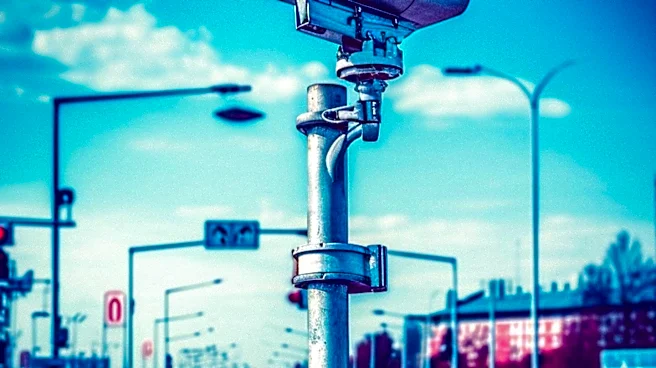
Starting July 1, Washington State will increase fines for speed camera infractions in work zones. First-time offenders will now face a fine of $125, up from $0, while subsequent infractions will continue to incur a $248 penalty. This change follows the
implementation of the Work Zone Speed Camera Program by the Washington State Department of Transportation (WSDOT), which began enforcement in April 2025. The program currently operates six cameras across various work zones, with plans to expand to 15 cameras by 2027. Since its inception, over 85,000 infractions have been recorded, with 77,000 being first-time offenses. The program aims to improve safety by encouraging drivers to reduce speed in work zones, rather than generating revenue.
Why It's Important?
The increase in fines is a significant step towards enhancing road safety in Washington State's work zones. With an average of 1,345 work zone crashes annually from 2020 to 2025, the initiative seeks to mitigate risks for both workers and drivers. The financial penalties are designed to deter speeding, thereby reducing the likelihood of accidents. The program's expansion, supported by a $7.5 million allocation for the Washington State Patrol and $10.6 million for WSDOT, underscores the state's commitment to road safety. By not affecting driving records or insurance, the fines focus on immediate behavioral change rather than long-term punitive measures.
What's Next?
The WSDOT plans to increase the number of speed cameras to 10 by July and eventually to 15 by 2027, with an expansion into eastern Washington. The program will continue to operate under a flat fee agreement with Elovate, the camera supplier, ensuring no financial incentive for issuing more infractions. The state Office of Administrative Hearings will manage appeals, allowing vehicle owners to contest fines through a structured process. As the program evolves, it will likely face scrutiny from both public safety advocates and those concerned about privacy and the potential for overreach.
Beyond the Headlines
The implementation of speed cameras in work zones raises broader questions about privacy and the use of surveillance technology in public spaces. While the program is designed to enhance safety, it also involves the collection and processing of vehicle data, which could lead to concerns about data security and misuse. Additionally, the program's success could set a precedent for similar initiatives in other states, potentially leading to a nationwide shift in how traffic safety is managed in construction areas.