






What's Happening?
U.S. Congressman Henry Cuellar, Ph.D. (TX-28) has secured three key provisions within the Water Resources Development Act of 2026 (WRDA 2026) that will support future Corps of Engineers water studies and projects across the Rio Grande Basin and Texas
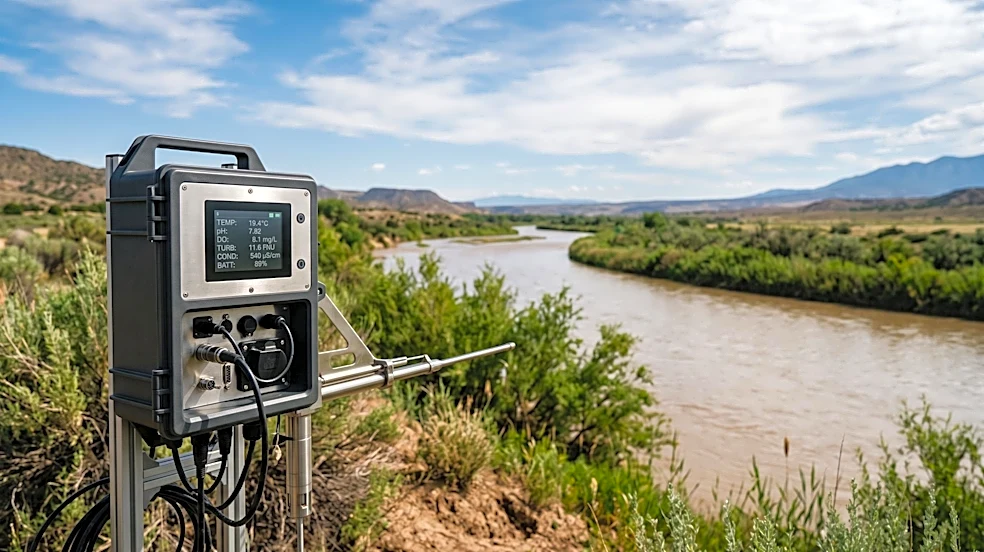
border counties. These provisions, which passed the House Transportation and Infrastructure Committee on July 14, aim to expand opportunities for water planning, flood protection, and environmental restoration in South Texas. One provision makes the Rio Grande Basin eligible for a comprehensive watershed assessment by the Corps of Engineers, which will examine water supply, drought, flooding, ecosystem health, and long-term water planning. Another provision expands eligibility for Rio Grande border counties, including Webb, Zapata, and Starr counties, to compete for future Corps projects focused on reducing flood damage, protecting riverbanks, and restoring natural waterways. The third provision strengthens the Basin's eligibility for future Corps work related to harmful algal blooms and water quality, supporting monitoring, new technologies, and mitigation efforts.
Why It's Important?
These provisions are critically important for the Rio Grande Basin and surrounding Texas border counties, which face significant challenges related to water management, environmental degradation, and flood risks. The comprehensive watershed assessment will provide crucial data and insights for developing long-term strategies to address water scarcity, drought, and ecosystem health, ensuring sustainable water resources for the future. Expanding eligibility for flood protection and waterway restoration projects will help protect communities and infrastructure from the devastating impacts of flooding, while also preserving vital natural habitats. Furthermore, addressing harmful algal blooms and water quality issues is essential for public health and environmental sustainability, particularly in a shared international river basin. These measures collectively enhance the region's resilience and promote responsible resource management.
What's Next?
Congressman Cuellar emphasized that these provisions position the Rio Grande Basin and border counties for increased future support from the Corps of Engineers. The next steps involve the final passage of WRDA 2026 and the subsequent allocation of funding for these studies and projects. Once enacted, the Corps of Engineers will initiate the comprehensive watershed assessment, and eligible counties will be able to compete for specific projects related to flood damage reduction, riverbank protection, and water quality improvements. The successful implementation of these initiatives will require ongoing collaboration between federal agencies, state and local governments, and community stakeholders to ensure that the authorized work translates into tangible benefits for South Texas.
Beyond the Headlines
The inclusion of these provisions in WRDA 2026 highlights a strategic federal commitment to addressing complex environmental and infrastructure challenges in transboundary river basins. The Rio Grande, shared with Mexico, presents unique diplomatic and ecological considerations, making integrated water management crucial. Beyond the immediate benefits, these measures could foster greater regional cooperation on water issues and serve as a model for other shared water resources. The focus on ecosystem health and harmful algal blooms also reflects a growing understanding of the interconnectedness of water quality, biodiversity, and human well-being. This proactive approach to environmental stewardship is vital for ensuring the long-term ecological and economic vitality of the region.