





What's Happening?
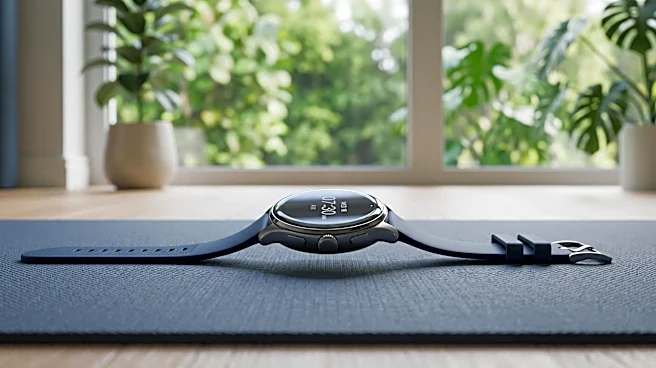
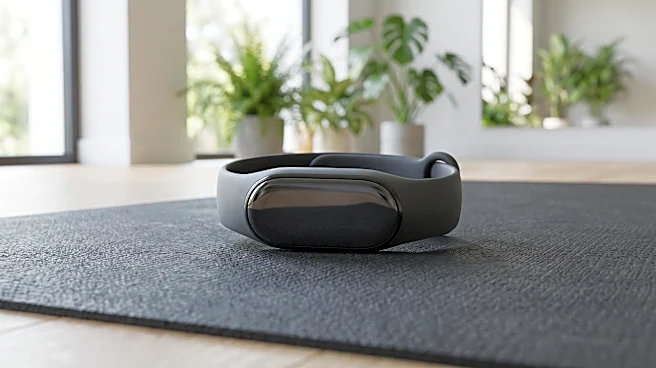
WHOOP has rolled out a new step-counting algorithm for its 5.0 and MG devices, aiming to improve accuracy, particularly in situations where arm movement is limited. This update addresses a common user complaint regarding undercounted steps when activities
like pushing a stroller, holding a leash, or carrying a phone prevent the wrist from swinging naturally. The previous method, relying on accelerometer data from wrist movement, often missed thousands of steps, especially on treadmills. The new algorithm was developed using both laboratory and real-world data, benchmarked against research-grade pedometers worn at the ankle for precise foot strike detection. WHOOP states that the improved accuracy applies whether the device is worn on the wrist or bicep. While some users may see higher step counts, others might observe fewer if the old algorithm incorrectly registered other movements as steps. Step counts, which WHOOP only integrated into its app in 2024, are now a crucial input for broader longevity metrics like 'WHOOP Age' and 'Pace of Aging'.
Why It's Important?
This algorithm update is significant for WHOOP users as it directly impacts the accuracy of their daily activity data, which in turn influences key health metrics like 'WHOOP Age.' For individuals who frequently engage in activities that previously led to undercounted steps, this change means a more precise representation of their physical activity. This improved data integrity is crucial because 'WHOOP Age' is calculated based on six-month averages of various health factors, including sleep, VO2 max, resting heart rate, and strength training, with daily steps being a contributing factor. An accurate step count ensures that the 'WHOOP Age' metric, designed to reflect overall health and longevity, is based on reliable information. Inaccurate data could lead users to misinterpret their health status or make suboptimal lifestyle choices based on flawed metrics. The update also highlights WHOOP's commitment to refining its core functionalities and responding to user feedback, which is vital for maintaining user trust and engagement in the competitive wearable technology market.
What's Next?
The impact of the new algorithm on individual 'WHOOP Age' metrics will not be immediate, as 'WHOOP Age' is based on six-month averages. Any changes resulting from the cleaner step data are expected to appear gradually over time, and the direction of change could vary depending on whether the previous system was undercounting or overcounting movement for a particular user. The update is currently limited to WHOOP 5.0 and MG devices, leaving older hardware models without this improvement. It remains unclear whether WHOOP plans to extend this algorithm to older devices. Users of the 5.0 and MG models who frequently engage in activities with limited arm movement should anticipate more accurate step counts, which will slowly feed into their long-term health metrics. This ongoing refinement of data accuracy underscores the evolving nature of wearable technology and its potential to provide more personalized health insights.
Beyond the Headlines
The refinement of WHOOP's step-counting algorithm touches upon broader implications concerning the reliability and interpretation of health data from wearable devices. As these devices become more integrated into daily life and influence personal health decisions, the accuracy of their measurements is paramount. The concept of 'WHOOP Age' exemplifies the trend of gamifying health and providing users with a simplified, yet comprehensive, metric for their overall well-being. However, the effectiveness of such metrics hinges entirely on the precision of the underlying data. This update also highlights the continuous challenge faced by wearable tech companies in accurately capturing diverse human movements and translating them into meaningful health insights. The decision to limit the update to newer devices raises questions about product lifecycle and support for older hardware, potentially influencing consumer purchasing decisions and the longevity of wearable technology investments. Ultimately, the pursuit of more accurate data reflects a deeper societal shift towards data-driven health management and the increasing reliance on technology for personal wellness.