



What's Happening?
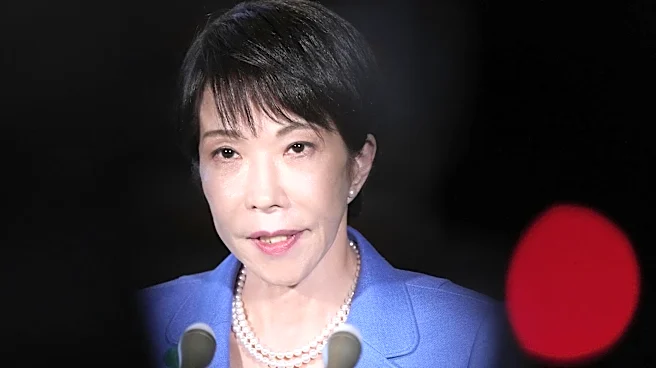
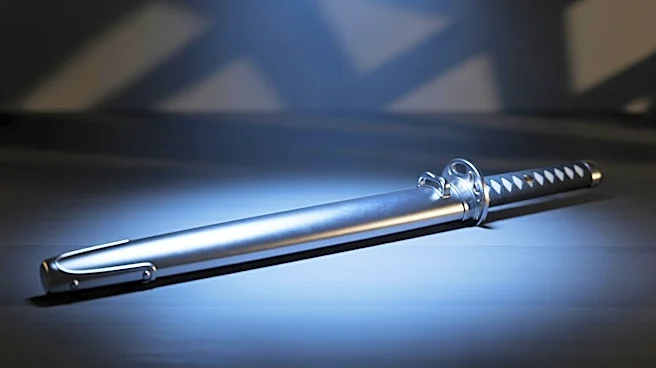
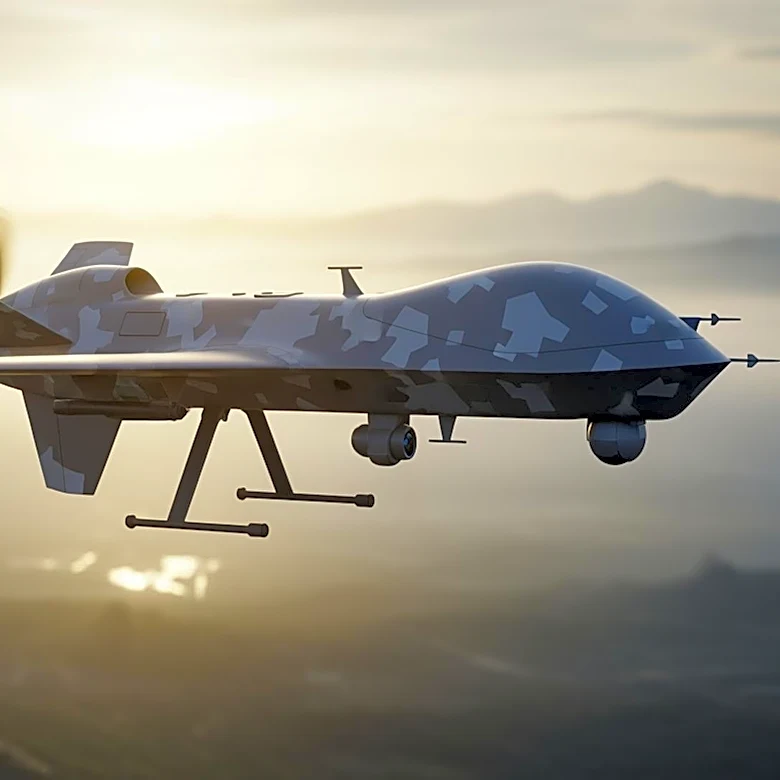
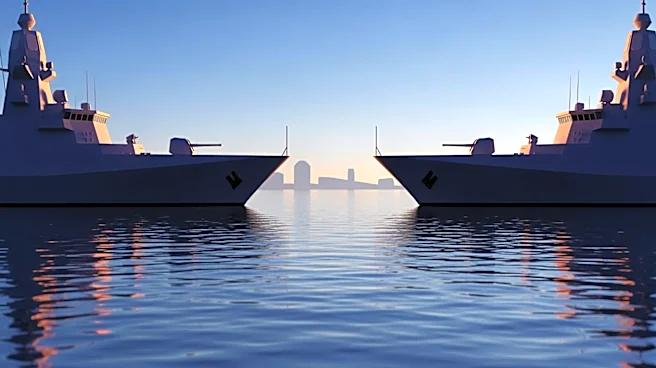
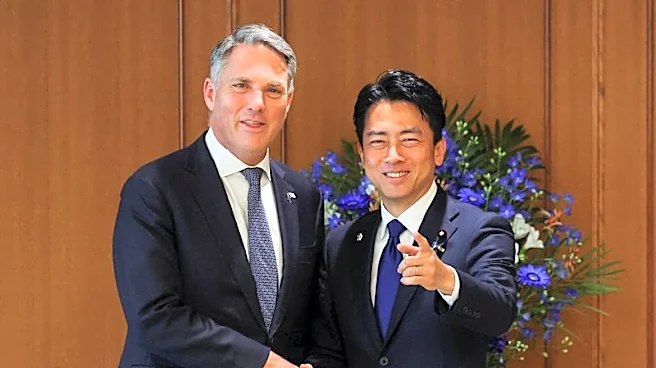
Japan has lifted its long-standing ban on exporting lethal weapons, a move that marks a significant departure from its pacifist post-World War II policies. Prime Minister Sanae Takaichi's administration announced the change, which will allow Japan to
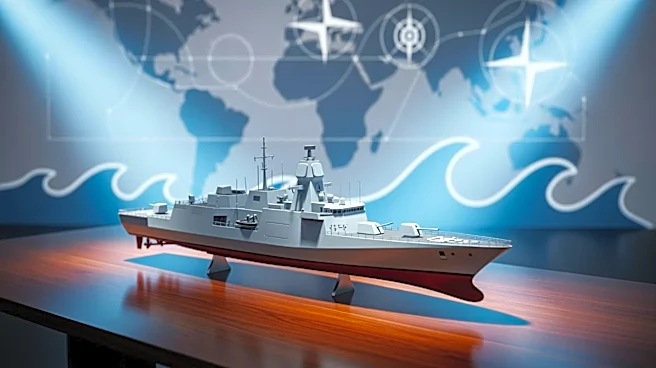
sell advanced military equipment, including fighter jets and warships, to select countries. This policy shift is part of Japan's strategy to bolster its defense capabilities in response to regional security threats. The decision has been met with mixed reactions, with some countries welcoming the move as a step towards stronger defense partnerships, while others express concern over potential regional tensions.
Why It's Important?
The lifting of the ban is a pivotal moment for Japan, as it seeks to redefine its role in global security. By entering the international arms market, Japan aims to enhance its defense industry and strengthen alliances with key partners. This move could lead to increased economic opportunities and technological advancements within Japan's defense sector. However, it also poses risks of heightened military tensions in the Asia-Pacific region, particularly with countries that have historical conflicts with Japan. The policy change challenges Japan's pacifist identity and may influence its diplomatic relations.
What's Next?
Following the policy change, Japan is expected to engage in negotiations with potential buyers and expand its defense agreements. The government will likely focus on ensuring that its arms exports comply with international regulations and contribute to global peace and security. Japan's defense industry may experience growth, attracting new investments and fostering innovation. However, the policy shift may also lead to diplomatic challenges, requiring Japan to carefully manage its relationships with neighboring countries and address concerns about regional stability.