



What's Happening?
The Trump administration plans to repeal the 2009 endangerment finding, a legal basis for federal climate regulations, sparking condemnation from climate leaders. This move, described as the largest deregulatory action in U.S. history, is expected to save
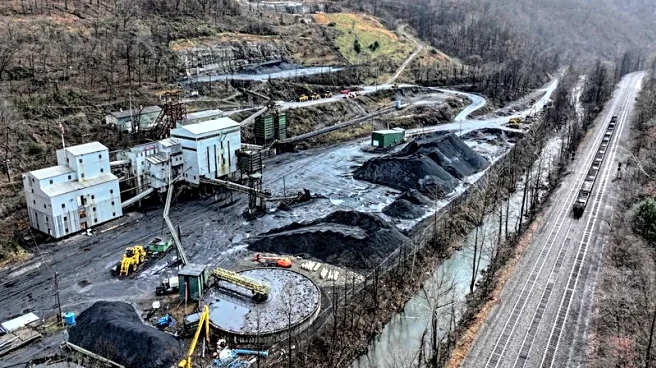
$1.3 trillion according to the administration, though critics argue it will lead to significant climate and health costs. Environmental groups, including the Natural Resources Defense Council and Sierra Club, have pledged to challenge the rollback in court. The decision is part of a broader agenda to deregulate energy and boost fossil fuels, with President Trump recently directing the defense department to increase coal power procurement.
Why It's Important?
The rollback of the endangerment finding could have profound implications for U.S. climate policy, potentially undermining efforts to regulate greenhouse gas emissions. This decision may increase environmental and health risks, disproportionately affecting vulnerable communities. The move also highlights the ongoing tension between economic interests and environmental protection, with significant political and legal battles anticipated. The administration's actions could influence future climate policy and regulatory approaches, impacting both domestic and international efforts to address climate change.
What's Next?
Environmental groups are preparing to challenge the rollback in court, which could lead to prolonged legal battles. The outcome of these challenges will be crucial in determining the future of U.S. climate regulations. Additionally, political leaders opposing the rollback may seek legislative solutions to counteract the administration's actions. The decision is likely to reignite public debate on climate change, potentially influencing upcoming elections and shaping the political landscape regarding environmental policy.