



What's Happening?
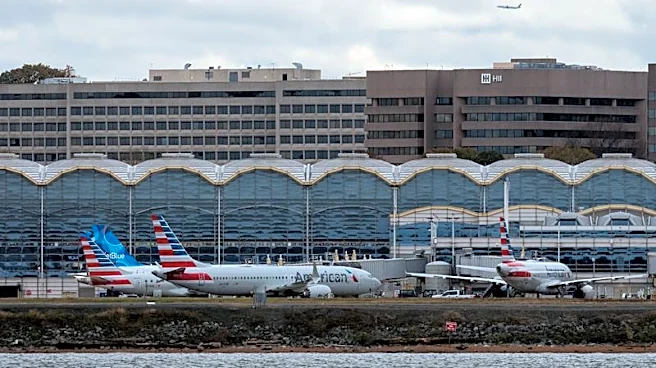
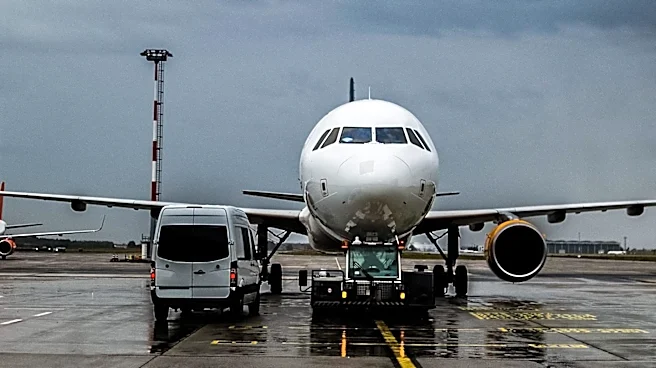
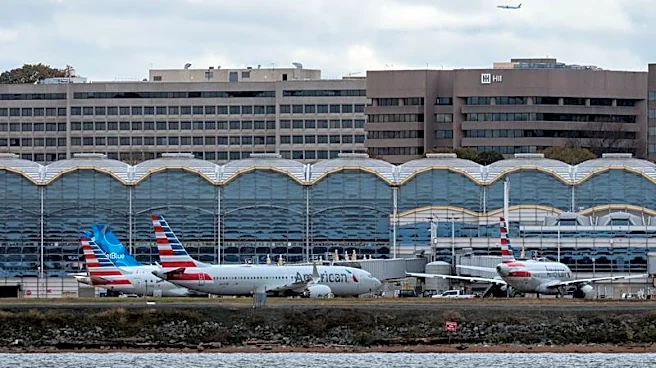
A nationwide ground stop, the longest in 25 years, caused widespread travel disruptions, financial losses, and significant stress for millions of travelers. The incident, which occurred on a Friday, led to numerous flight cancellations and delays, forcing
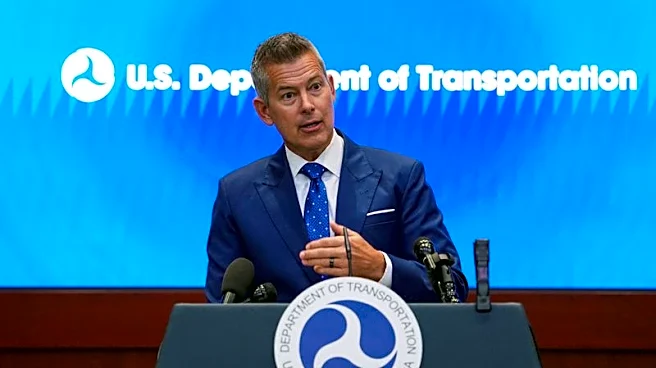
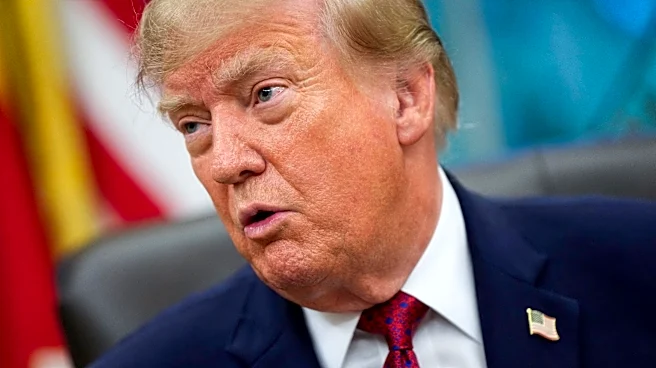
passengers to seek costly alternative transportation, such as a four-hour Uber ride from Detroit to Chicago costing $400. The financial toll extended beyond immediate travel expenses, impacting emergency childcare, lost vacation rentals, and lost wages for hourly workers and freelancers. Transportation Secretary Sean Duffy attributed the outage to a contractor and aging infrastructure, estimating billions of dollars in costs. President Trump, however, blamed Democrats, while Democrats questioned the administration's spending on infrastructure and its request for an additional $50 billion. The event has been described by experts as an 'emergency of impending disaster-level scale,' rather than a mere glitch, leading to skepticism among the public regarding official explanations.
Why It's Important?
This widespread travel disruption highlights the fragility of modern infrastructure and the significant economic and personal costs associated with systemic failures. The incident underscores the vulnerability of interconnected systems, as evidenced by subsequent malfunctions in United Airlines, major U.S. banks, and earlier issues with AI and Microsoft. The financial impact, estimated in billions, affects airlines, travelers, and the broader economy, with the Federal Aviation Administration valuing passenger time at approximately $66 per hour. Beyond monetary costs, the event has eroded public trust in government and critical infrastructure, as travelers expressed skepticism about the official explanations for the outage. The incident also brings to the forefront the ongoing political debate regarding infrastructure funding and accountability, with both parties assigning blame and demanding answers.
What's Next?
The immediate aftermath of the ground stop will likely involve continued scrutiny of the causes and accountability for the widespread disruption. Political leaders are expected to continue debating infrastructure spending and oversight, with Democrats demanding answers on how existing funds have been utilized and why additional funding requests are so high. Travelers may seek reimbursements for unexpected expenses, though many costs, such as lost time and stress, are not recoverable. The incident also serves as a stark warning ahead of the busy Thanksgiving travel week, prompting concerns about the resilience of the nation's travel systems. Further investigations into the contractor's role and the state of aging infrastructure are anticipated, potentially leading to policy changes or increased investment in system upgrades.
Beyond the Headlines
The nationwide ground stop reveals deeper implications concerning the reliability of critical national systems and the public's diminishing trust in official narratives. The incident, coupled with other recent technological malfunctions, suggests a broader systemic vulnerability that extends beyond individual sectors. This raises questions about the nation's preparedness for large-scale disruptions and the effectiveness of current infrastructure maintenance and upgrade strategies. The public's skepticism regarding official explanations points to a growing crisis of confidence in governmental transparency and competence. Furthermore, the event highlights the often-overlooked human cost of such outages—the stress, lost personal time, and disruption to family life—which are not easily quantifiable but have significant societal impact. This incident could catalyze a re-evaluation of national infrastructure priorities and a push for more robust, resilient systems across various sectors.