



What's Happening?
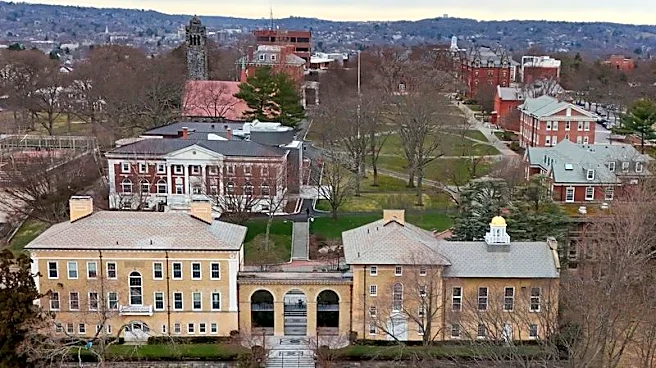
Albright College is eliminating 20 academic programs and 17 faculty positions as it confronts declining enrollment, financial difficulties, and new federal student loan policies. The Board of Trustees approved these changes on November 1, with students
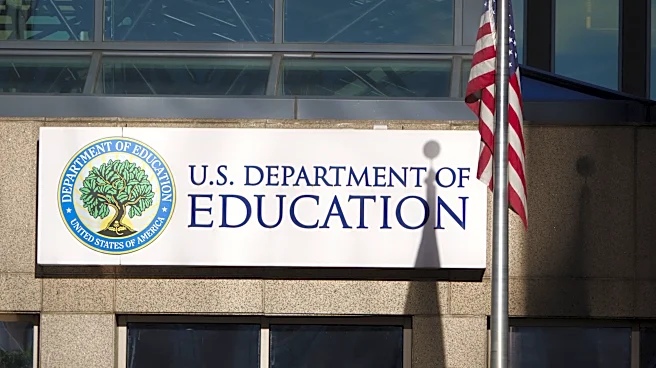
and faculty informed two days later. Affected programs include dance, painting, film & video, digital and strategic communications, public health, Holocaust studies, and women’s & gender studies. Administrators cited low enrollment as the primary reason for the cuts, noting that eliminated programs often had fewer than nine students majoring in them. The college's financial struggles have been ongoing for several years, marked by a material weakness in its latest audited financials and a noncompliance warning from its accreditor. New federal accountability standards from the U.S. Department of Education, which emphasize graduate earnings and educational value, also influenced the decision.
Why It's Important?
The program and faculty cuts at Albright College reflect a broader trend impacting smaller private liberal arts institutions across the U.S. Dwindling enrollment and increased financial scrutiny, partly driven by federal policies linking program viability to graduate earnings, are forcing colleges to make difficult decisions about their academic offerings. This situation can lead to a reduction in educational diversity and potentially limit student choices, especially in niche or less career-focused fields. The elimination of tenured faculty positions also raises concerns about academic freedom and job security within higher education. For current students in affected programs, the college has committed to providing individual advising and degree plans to ensure they can complete their studies, but the overall impact on the college's academic reputation and student morale is significant.
What's Next?
The program changes at Albright College are scheduled to begin in the 2027-28 school year. The college will continue to work with current students to ensure their academic progression. The cuts have already sparked protests from students and alumni, with a petition calling for the removal of key administrators and trustees. This backlash highlights the emotional and community impact of such decisions. The college is also exploring options for refinancing debt and maintaining facilities, including a potential $65 million bond. The long-term sustainability of Albright College, and similar institutions, will depend on their ability to adapt to changing student demands, navigate federal regulations, and secure stable financial footing. The emphasis on graduate earnings by the Department of Education suggests that more institutions may face similar pressures to streamline their academic portfolios.
Beyond the Headlines
The situation at Albright College underscores a critical challenge facing many small liberal arts colleges: balancing academic breadth with financial viability in a competitive and evolving educational landscape. The cuts to programs like Holocaust studies and women’s & gender studies, while attributed to low enrollment, raise questions about the preservation of diverse academic disciplines and their role in a comprehensive education. The protests from students and alumni indicate a strong attachment to these programs and a concern for the college's identity. This development also highlights the increasing influence of external factors, such as federal policy and market demands, on internal academic decisions, potentially leading to a more utilitarian approach to higher education where programs are judged primarily by their economic outcomes rather than their intrinsic academic or cultural value.