







What's Happening?
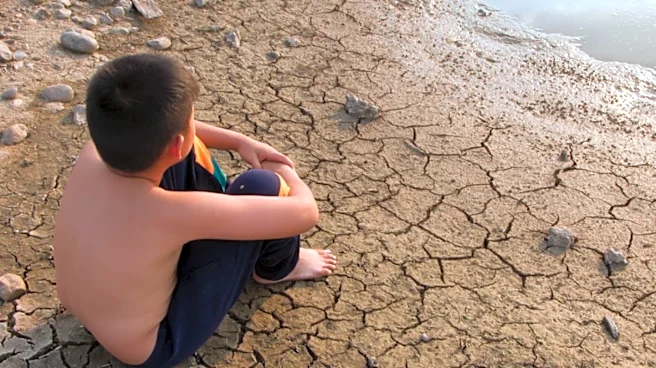
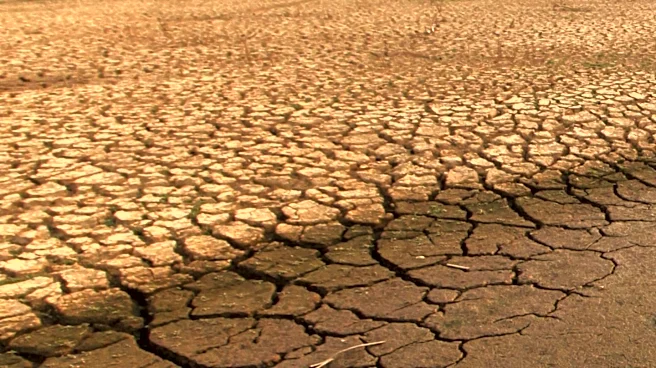
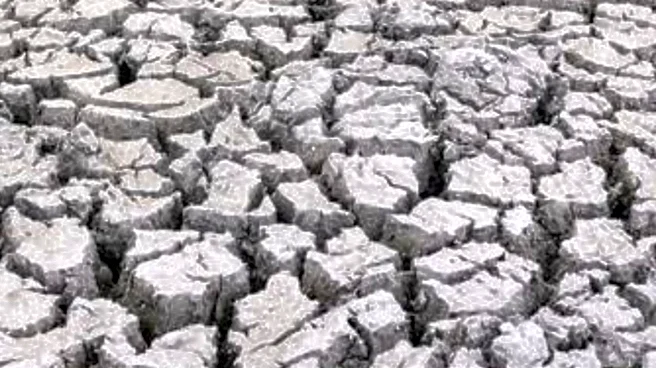
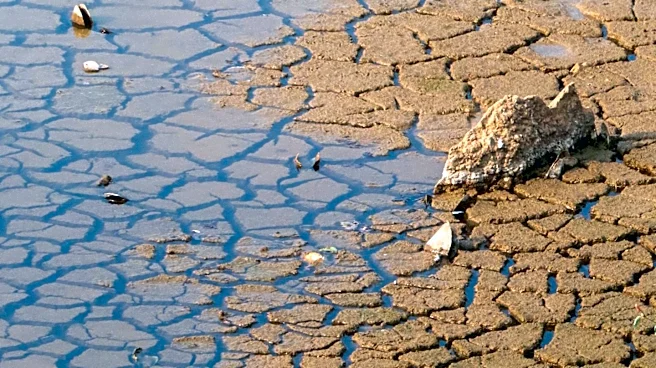
Global water scarcity is escalating due to a significant lack of communication between different levels of national governments and insufficient global discussion on the crisis. A critical issue is the rapid depletion of freshwater resources in underground
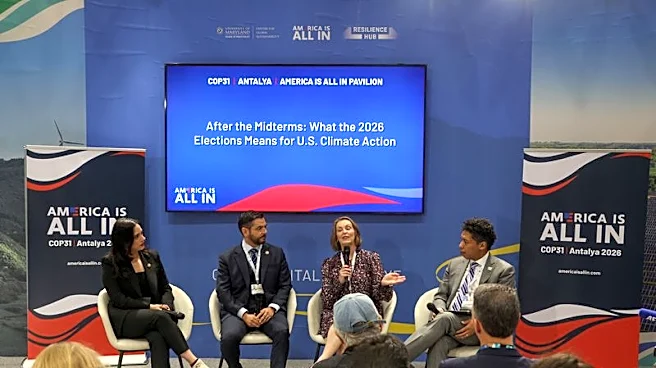
aquifers, which are being drained faster than they can naturally replenish. This problem is particularly acute in regions like Yemen, where agricultural practices are heavily reliant on these diminishing water sources. Experts suggest that small-scale, bottom-up approaches to water management, empowering local communities, may be more effective than large-scale, top-down government mandates. These localized projects often have smaller carbon footprints and can be scaled up if successful, offering a more adaptable and cost-efficient solution. The current global dialogue on climate change, such as at COP events, has historically undervalued water-related discussions, despite the growing urgency of the issue even in developed nations.
Why It's Important?
The growing global water scarcity poses significant threats to environmental stability, economic development, and public health worldwide. The depletion of aquifers directly impacts agricultural productivity, potentially leading to food insecurity and economic instability in heavily reliant regions. The lack of coordinated governmental action and global dialogue hinders the development and implementation of effective, sustainable water management strategies. If current trends continue, the demand for fresh water is projected to exceed supply by 40% by 2030, creating potential for increased conflict over resources and mass displacement. The emphasis on bottom-up solutions highlights a shift towards community-led resilience, which could empower local populations but also requires significant support and integration into broader national and international frameworks to achieve widespread impact.
What's Next?
Addressing global water scarcity will require a concerted effort to improve communication and collaboration across all levels of government and among international bodies. Future climate conferences and global forums will likely face increased pressure to prioritize water-related discussions and move from dialogue to actionable implementation plans. There may be a greater focus on funding and supporting small-scale, nature-based solutions that have proven effective at the local level. Additionally, countries like China, which have made progress in water management but face new pressures from demand, climate risks, and ecosystem degradation, will need to adapt their strategies. Pakistan, despite abundant water sources, must improve its water storage and management to avert a deepening crisis. The coming years will likely see intensified research and development into sustainable water technologies and conservation methods.
Beyond the Headlines
The water crisis extends beyond mere resource management, touching upon profound ethical and social justice issues. Access to clean water is a fundamental human right, and its scarcity disproportionately affects vulnerable populations, exacerbating existing inequalities. The reliance on rapidly depleting aquifers raises questions about intergenerational equity, as current consumption patterns compromise future generations' access to vital resources. Furthermore, the lack of global consensus and coordinated action reflects a broader challenge in addressing complex environmental problems that transcend national borders. The shift towards bottom-up approaches, while promising, also highlights the limitations of traditional top-down governance models in tackling localized environmental challenges, suggesting a need for more adaptive and inclusive governance structures that integrate local knowledge and participation.