






What's Happening?
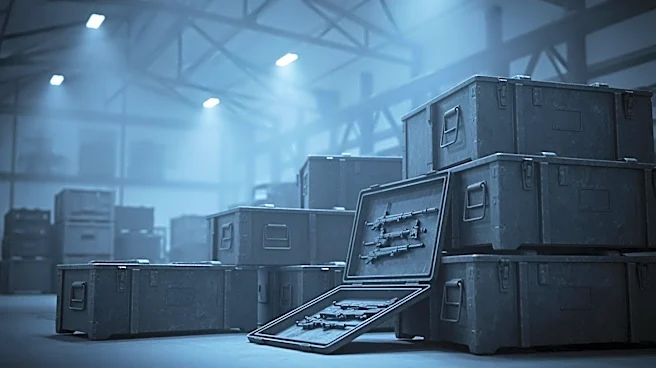
The United States has alerted its European allies, including the United Kingdom, Poland, Lithuania, and Estonia, about expected delays in the delivery of American missile systems. This situation arises as the U.S. works to replenish its stockpiles, which
have been significantly depleted following recent military engagements with Iran. The Pentagon has communicated that these delays will affect several missile systems, including the HIMARS and NASAMS, which are crucial for defense strategies in Europe and Asia. The depletion of stockpiles has also raised concerns about the U.S.'s ability to deter or respond to potential conflicts involving China, particularly regarding Taiwan. The Pentagon is assessing equipment requests from partners to ensure alignment with operational needs, but details remain sensitive.
Why It's Important?
The delays in weapons deliveries have significant implications for global defense strategies, particularly in Europe and Asia. The depletion of U.S. stockpiles could weaken the defense capabilities of allied nations, prompting them to seek alternative sources and strengthen domestic production. This shift may alter the balance of power in future conflicts, especially in regions like Taiwan. The situation underscores the need for coordinated action between the U.S. and its allies to bolster defense industries and maintain stable stockpiles. Additionally, the delays could impact Ukraine's defense against Russian aggression, as weapon deliveries to Kyiv are also affected. The broader strategic pressure on stockpiles highlights the importance of effective planning and cooperation to ensure security and deterrence.
What's Next?
As the U.S. and its allies navigate these challenges, there is a focus on increasing the production of defense systems. However, this requires time, investment, and coordination between governments and the private sector. Countries affected by the delays are likely to enhance their domestic defense capabilities and explore non-American options. This trend could lead to a more diversified defense landscape, potentially reducing reliance on U.S. military support. The ongoing efforts to replenish stockpiles and manage deliveries will be crucial in maintaining the defense potential of allied nations and supporting Ukraine in its conflict with Russia.